Are construction fittings really necessary for your DIY projects?
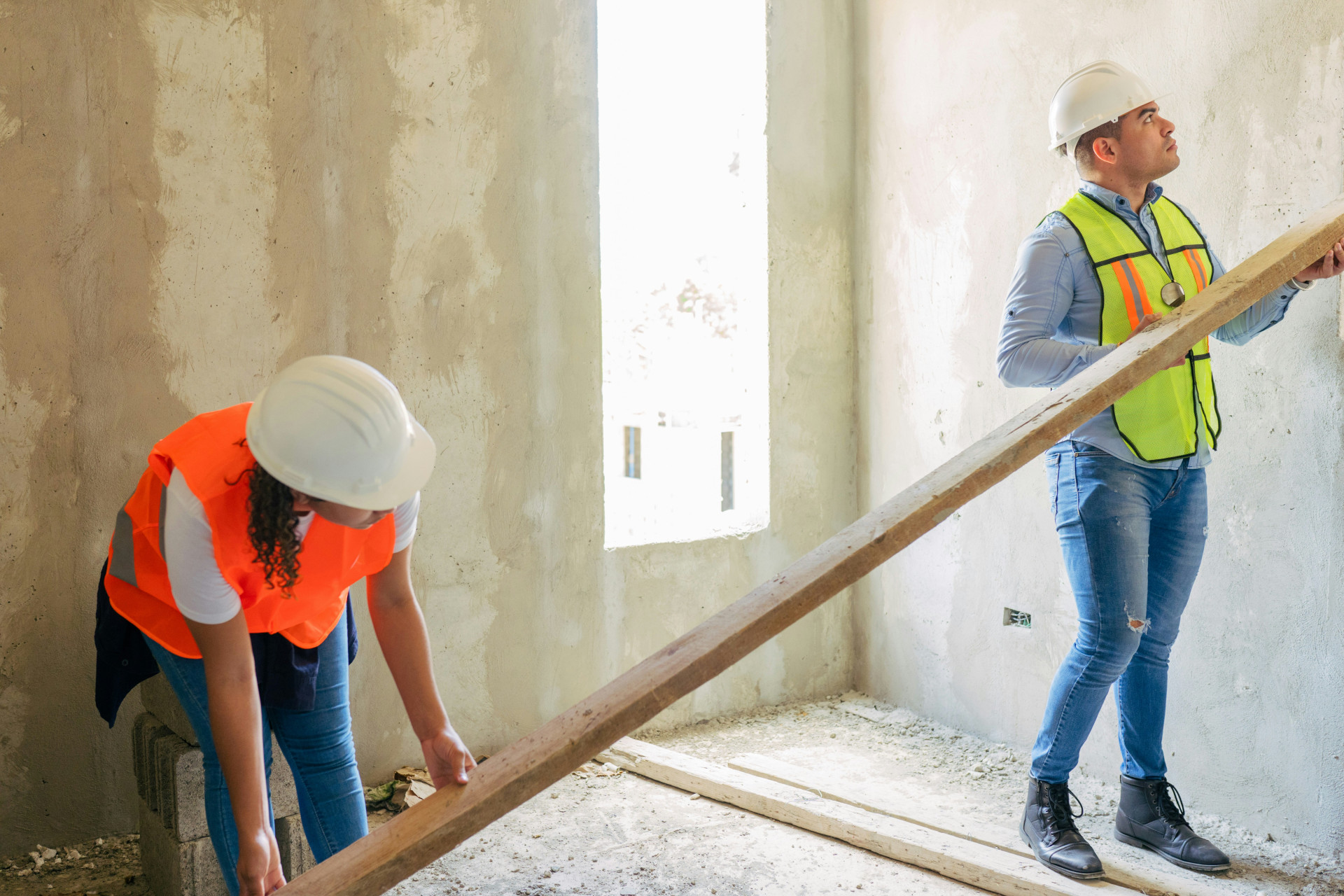
Are construction fittings really necessary for your DIY projects?
When embarking on a DIY project, whether its a simple home repair or a more complex build, one question often arises: are construction fittings necessary? These essential components can play a significant role in the stability, safety, and longevity of your project. In this article, we will delve into the importance of construction fittings, the types available, and when they should be used in your DIY endeavors.
Understanding Construction Fittings
Construction fittings refer to various hardware components that ensure the proper assembly and support of structures. They can include braces, brackets, connectors, and fasteners designed to reinforce joints and support weight. The primary function of these fittings is to create a secure connection between different parts of a structure, thereby enhancing its durability.
The Role of Fittings in Structural Integrity
One of the most critical aspects of any construction project is structural integrity. Without the right fittings, even the best-designed project can fail. Fittings provide essential support by distributing loads evenly, reducing stress on individual components, and ensuring that everything stays in place over time. Whether youre building a shelf, decking, or framing a wall, fittings are the unsung heroes that keep everything sturdy and solid.
Consider a simple bookshelf. If you merely attach the shelves to the side panels without using brackets or connectors, the shelves might sag or even collapse under the weight of books. Appropriate fittings can help reinforce the structure, preventing such issues and extending its lifespan.
Types of Construction Fittings
There are several types of construction fittings you might encounter in your DIY projects. Some of the most common include:
- Brackets: Used to connect two surfaces at a right angle, brackets provide stability to corners and lend support to shelves and frames.
- Connectors: Specially designed pieces like dowels, screws, or bolts that join two or more materials together, connectors ensure a tight fit.
- Braces: These are diagonal supports that enhance stability, especially in larger projects like furniture or frames.
- Anchors: Used in conjunction with other fittings, anchors secure structures to walls or floors, preventing unwanted movement.
When to Use Construction Fittings
Not every DIY project requires extensive fittings, but understanding when to use them can make a significant difference. Here are situations where fittings are crucial:
- Heavy Loads: If your project involves supporting heavy items, such as a large shelf or a structure that will bear weight, invest in solid fittings for security.
- Outdoor Projects: Structures exposed to elements, like decks or trellises, need additional support to withstand weather-related stresses.
- Complex Builds: Projects with intricate designs or multiple joints require additional fittings to maintain stability and structural soundness.
Cost-Effectiveness of Using Fittings
While it might seem tempting to skip construction fittings to save time and money, this approach can be counterproductive. Investing in quality fittings will enhance the durability of your projects, reducing the likelihood of repairs or replacements down the line. In many cases, the cost of fittings is minimal compared to the potential cost of damage caused by inadequate support.
Moreover, using fittings can facilitate easier disassembly when necessary. For instance, if you ever need to move or modify your project, well-fitted components can be taken apart without causing damage, thereby saving more resources in the long run.
DIY Tips for Choosing Fittings
Selecting the right fittings for your project can significantly impact its success. Here are some tips to consider:
- Material Matters: Choose fittings made from durable materials that suit the environment of your project, such as stainless steel for outdoor use
- Load Ratings: Ensure that all fittings can support the intended weight and stresses; always check manufacturer specifications.
- Ease of Installation: Select fittings that are easy to install and compatible with your tools and skill level.
Final Thoughts on Construction Fittings
In summary, construction fittings are often essential components in DIY projects that contribute significantly to their success. By understanding their function and selecting appropriate types for your specific needs, you can achieve sturdy and durable results. The key is to pay attention to the details and ensure that every joint and connection is secure. This extra effort can save you time, resources, and potential safety hazards in the long run.
