Home Surveillance: Keep an Eye on Your Property, Even When You’re Away


Home Surveillance: Keep an Eye on Your Property, Even When You’re Away
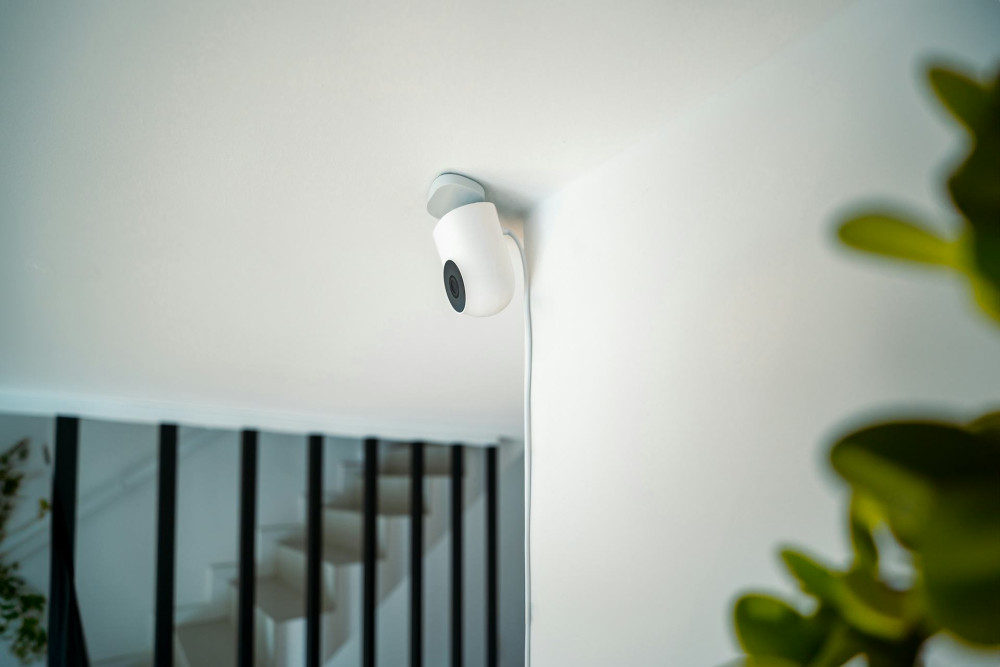
Being able to check in on your home while you’re away has never been easier. With today’s smart technology, you can monitor your property from your phone, receive alerts about movement around your house, or see who’s at the door – no matter where you are. But how do you choose the right system, and what should you keep in mind when setting up home surveillance in New Zealand?
Why Consider Home Surveillance?
For many Kiwis, home surveillance isn’t just about preventing burglaries – it’s about peace of mind. A camera system can reassure you that everything is fine when you’re at work, on holiday, or simply out for the day. You can check that the kids have arrived home safely, or that a delivery has been dropped off as expected.
Visible cameras can also act as a deterrent. Burglars are less likely to target a property that clearly has security measures in place. And if something does happen, recorded footage can help the police with their investigation.
Types of Home Surveillance – From Cameras to Smart Sensors
The market for home security systems is growing quickly, and there are plenty of options to suit different needs and budgets. Some of the most common include:
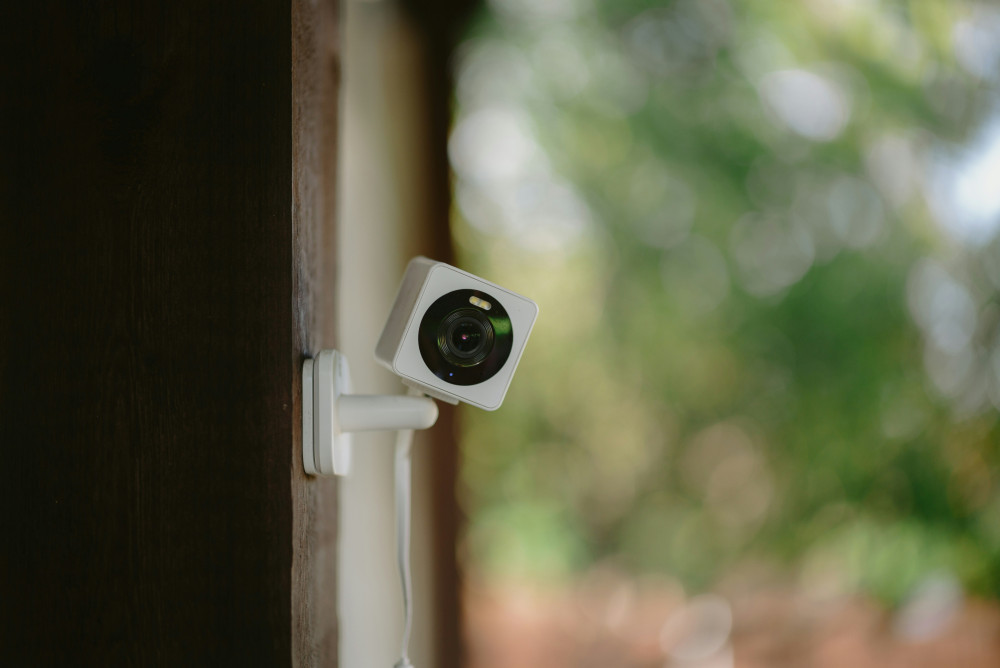
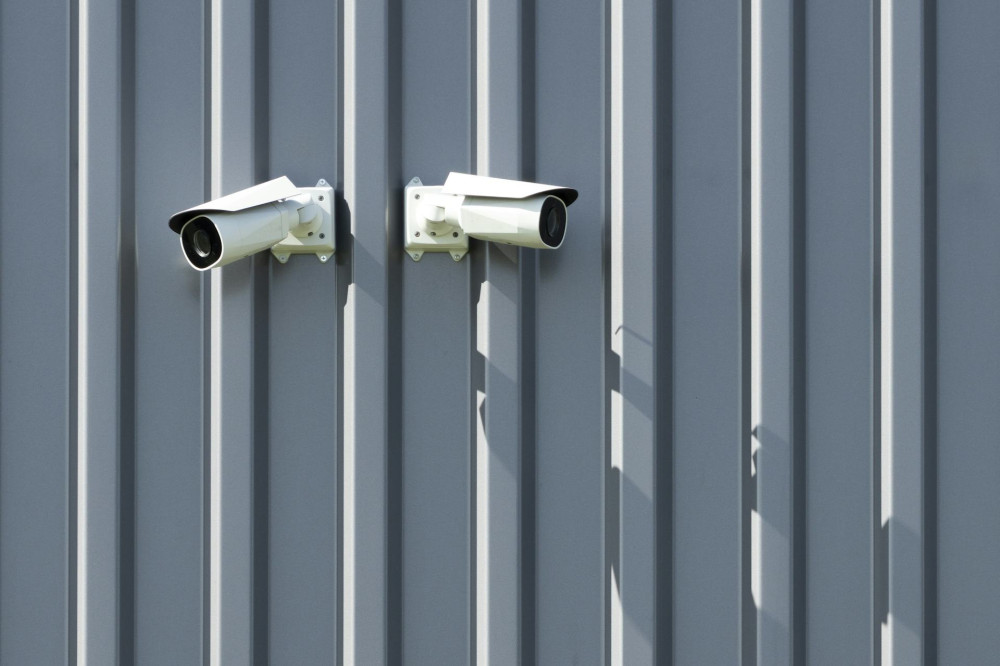
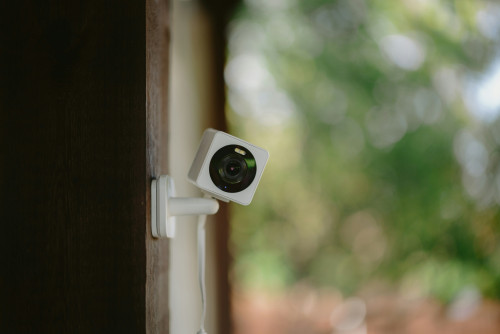
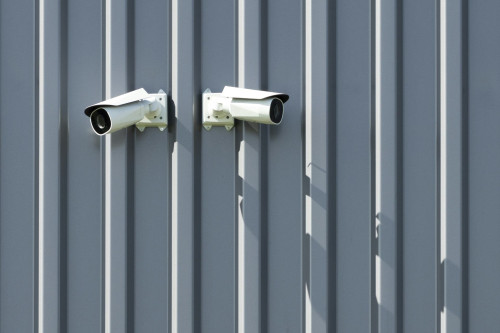
- Outdoor cameras – weather-resistant models with night vision and motion detection, ideal for driveways, entrances, and backyards.
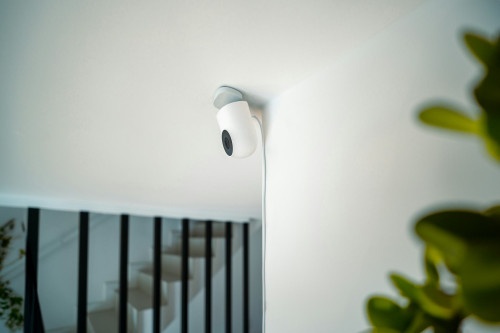
- Indoor cameras – compact and discreet, often with two-way audio so you can talk to family members or pets through the app.
- Video doorbells – show you who’s at the door and let you respond, even when you’re not home.
- Motion and sound sensors – detect unusual activity and send alerts to your phone.
- Integrated alarm systems – combine cameras, sensors, and sirens into one system that can be managed through a single app.
Many systems can also connect with other smart home devices, such as lighting, locks, and thermostats, giving you a complete overview of your home’s security.
Læs også:
Choosing the Right System
When selecting a surveillance system, start by considering your home’s layout and your specific needs. Think about:
- Purpose – do you mainly want to deter intruders, or also keep an eye on everyday activity?
- Placement – identify the most vulnerable areas, such as entry points or dark corners.
- Recording and storage – some systems store footage in the cloud, while others use local storage. Check how long recordings are kept and whether there are subscription fees.
- Ease of use – choose a system that matches your comfort level with technology.
- Security – ensure the system uses encryption and strong passwords to prevent unauthorised access.
It can be wise to start small – perhaps with a single camera – and expand as you learn what works best for your home.
Privacy and Legal Considerations in New Zealand
In New Zealand, it’s legal to install cameras on your own property, but there are limits. You should avoid recording public areas such as footpaths or your neighbour’s property. If you live in an apartment or shared complex, you may need permission from the body corporate before installing cameras in common areas.
Under the Privacy Act 2020, any footage you collect should only be used for its intended purpose – usually security – and should be deleted when no longer needed. If you share footage with the police, it should be in connection with a specific incident.
It’s also courteous to let visitors know that surveillance is in place, for example by displaying a small sign near your entrance.
Making Surveillance Part of a Safer Home
Home surveillance works best as part of a broader safety plan. Combine it with good locks, outdoor lighting, and a supportive neighbourhood watch. Cameras can alert you when something happens, but prevention is often the most effective protection.
Ultimately, home surveillance is about more than security – it’s about confidence and comfort. Knowing that your home is safe allows you to relax and enjoy life, whether you’re exploring the South Island, heading to work, or simply spending time away from home.
Læs også: