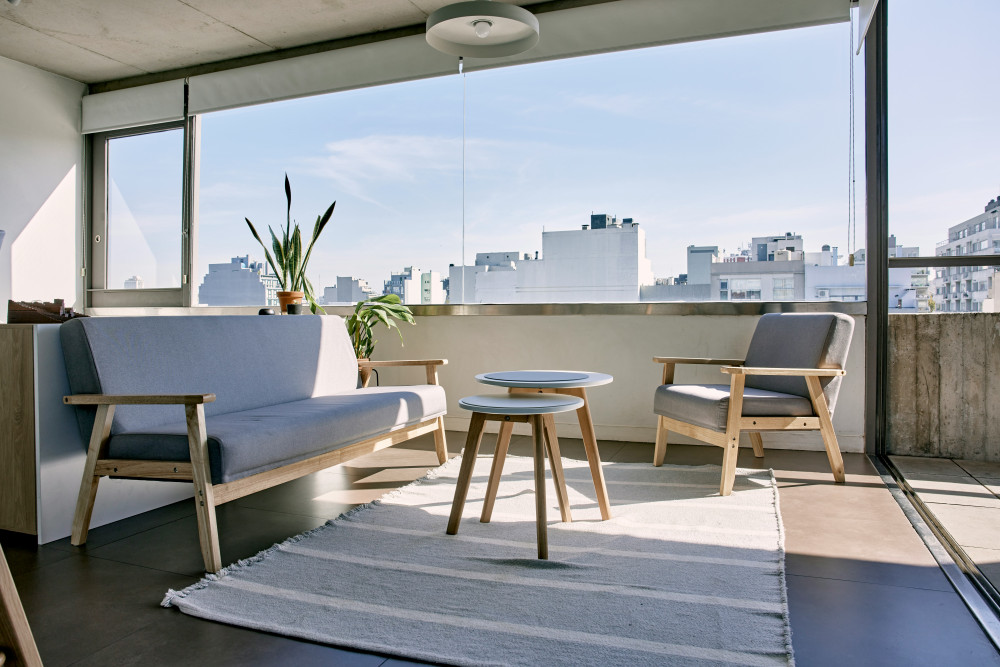
Ceiling Styles: Wood, Plaster or Metal – What Works Best for Your Home?

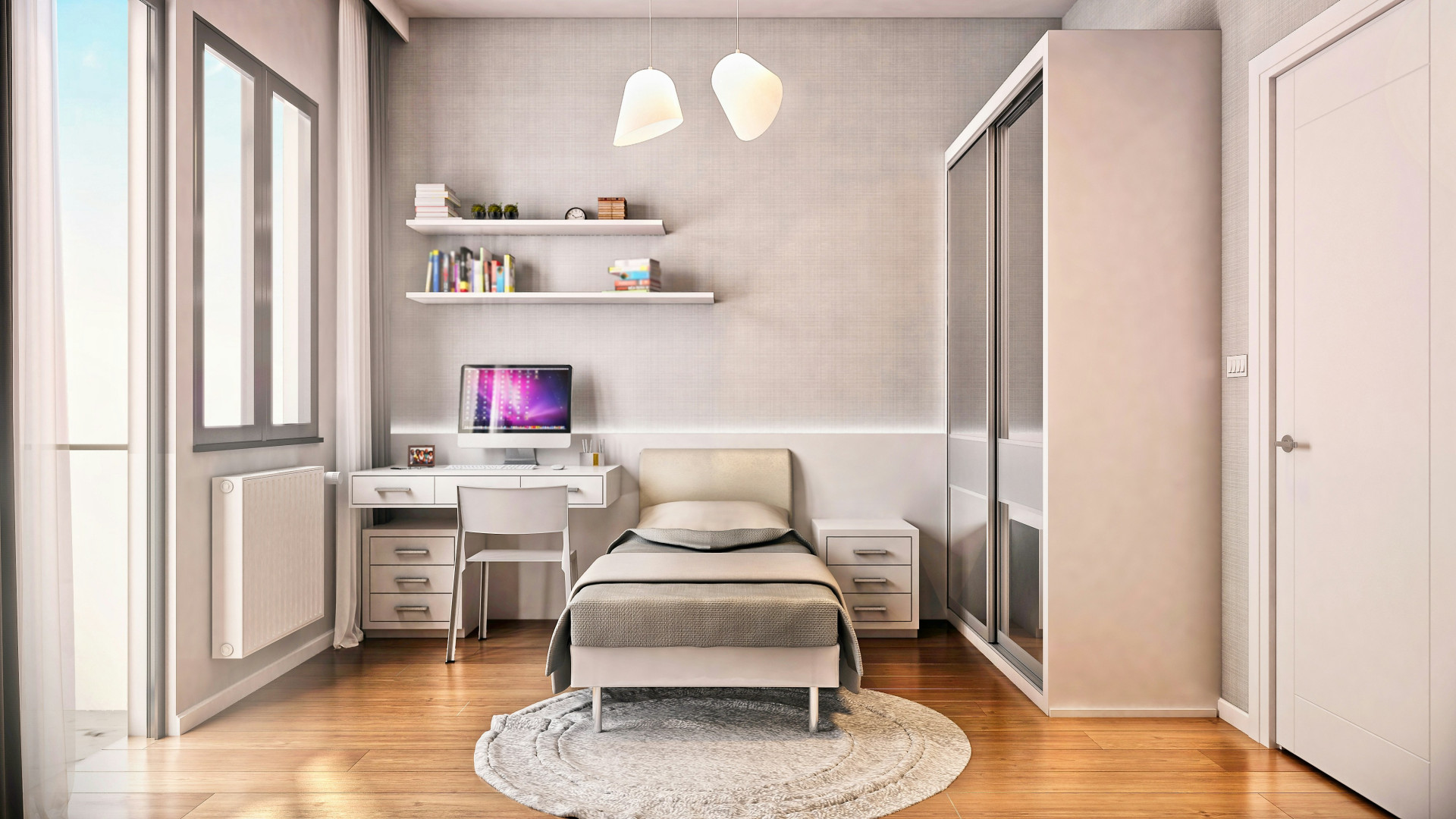
Ceiling Styles: Wood, Plaster or Metal – What Works Best for Your Home?
The ceiling is often overlooked when designing or renovating a home, yet it has a major impact on how a space feels, sounds and functions. The choice of material – whether wood, plaster or metal – can transform the atmosphere and influence maintenance, durability and energy efficiency. Here’s a guide to the three most common ceiling types and how they might suit your New Zealand home.
Wooden Ceilings – Warm, Natural and Timeless
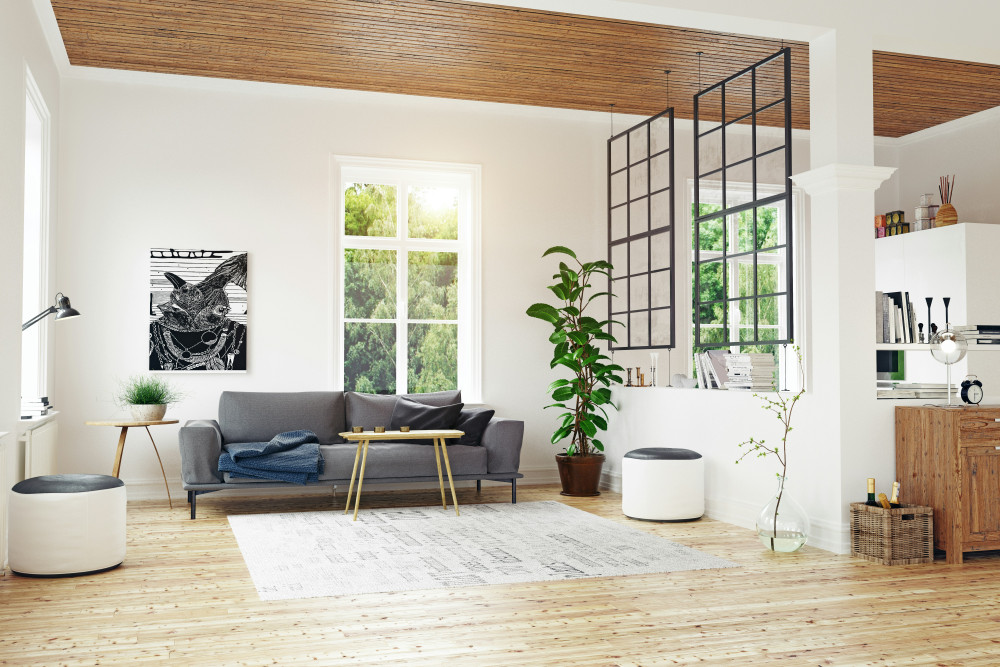
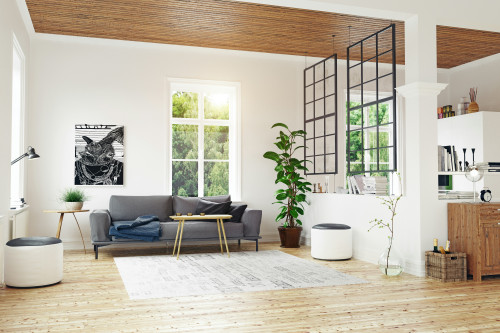
A wooden ceiling brings warmth and texture to any room. From classic pine panels to sleek oak or cedar slats, timber adds a natural charm that works beautifully in both traditional villas and modern homes. In New Zealand, where timber is a familiar and sustainable building material, wooden ceilings can also help connect your interior to the surrounding landscape.
Advantages:
- Creates a warm, organic look.
- Improves acoustics by softening echoes.
- Can be stained, painted or oiled to match your décor.
Disadvantages:
- Requires regular maintenance to preserve colour and finish.
- Sensitive to humidity and temperature changes.
- Usually more expensive than plasterboard.
A wooden ceiling is ideal if you want a cosy, character-filled space – perfect for living rooms, bedrooms or holiday homes. Just be prepared to give it a little care over time.
Plaster Ceilings – Versatile and Contemporary
Plasterboard ceilings are the most common choice in modern New Zealand homes. They provide a smooth, uniform surface that suits almost any style, from minimalist apartments to coastal baches. Plaster is also fire-resistant and works well with recessed lighting, ventilation systems and insulation.
Advantages:
- Clean, neutral appearance that fits most interiors.
- Easy to paint and repair.
- Allows for built-in lighting and hidden wiring.
Disadvantages:
- Can crack if the building shifts or settles.
- Less character than wood or metal.
- Requires skilled installation for a flawless finish.
A plaster ceiling is a safe, flexible option if you want a modern, understated look that adapts easily to different rooms and design updates.
Læs også:


Metal Ceilings – Durable and Distinctive
Metal ceilings, often made from aluminium or steel, are becoming more popular in contemporary homes, especially in kitchens, bathrooms and high-humidity areas. They’re durable, moisture-resistant and can add a striking industrial or architectural edge to your interior.
Advantages:
- Extremely durable and resistant to moisture.
- Low maintenance and easy to clean.
- Reflects light, brightening darker spaces.
Disadvantages:
- Can feel cold or impersonal in domestic settings.
- More expensive than plaster and requires professional installation.
- May create a harsher acoustic environment unless paired with sound-absorbing materials.
A metal ceiling is a great choice if you want a sleek, modern look or need a practical solution for damp-prone areas.
Choosing the Right Ceiling for Your Home
Your decision will depend on style, function and budget.
- Living rooms and bedrooms: Wood adds warmth and texture.
- Kitchens and bathrooms: Plaster or metal handle moisture better.
- Modern homes: Plaster or metal suit clean, minimalist designs.
- Character homes: Wood complements natural materials and heritage details.
Also consider ceiling height and room size. A dark timber ceiling can make a small room feel more intimate, while a light plaster ceiling can make it appear larger and brighter.
Finding the Perfect Balance
There’s no single “best” ceiling material – it’s about balancing aesthetics, practicality and maintenance. Some homeowners even mix materials, such as combining plaster with timber battens or adding metal panels in functional zones. By blending textures and finishes, you can create a ceiling that’s not only beautiful but also perfectly suited to your New Zealand lifestyle.
Læs også: