Create Harmony in Material Choices – from Façade to Interior


Create Harmony in Material Choices – from Façade to Interior
When building or renovating a home, it’s not just about function or aesthetics in isolation – it’s about creating a sense of unity. The materials you choose for the façade, roof, and interior surfaces together tell the story of your home. A harmonious material palette can tie architecture and interior design together, so the house feels coherent – both from the outside and within.
Here’s how you can think holistically when selecting materials – from façade to interior – with inspiration tailored to New Zealand’s climate, lifestyle, and design sensibilities.
Begin with the Whole – Not the Detail
It’s easy to fall in love with individual materials: a beautiful timber, a striking tile, or a unique benchtop. But if you start with the details, the overall composition can end up feeling disjointed.
Instead, begin by defining the home’s overall character. Should it feel coastal and relaxed, urban and contemporary, or grounded in natural textures that reflect the New Zealand landscape? Once you have a clear direction, it becomes easier to choose materials that complement each other in tone, texture, and mood.
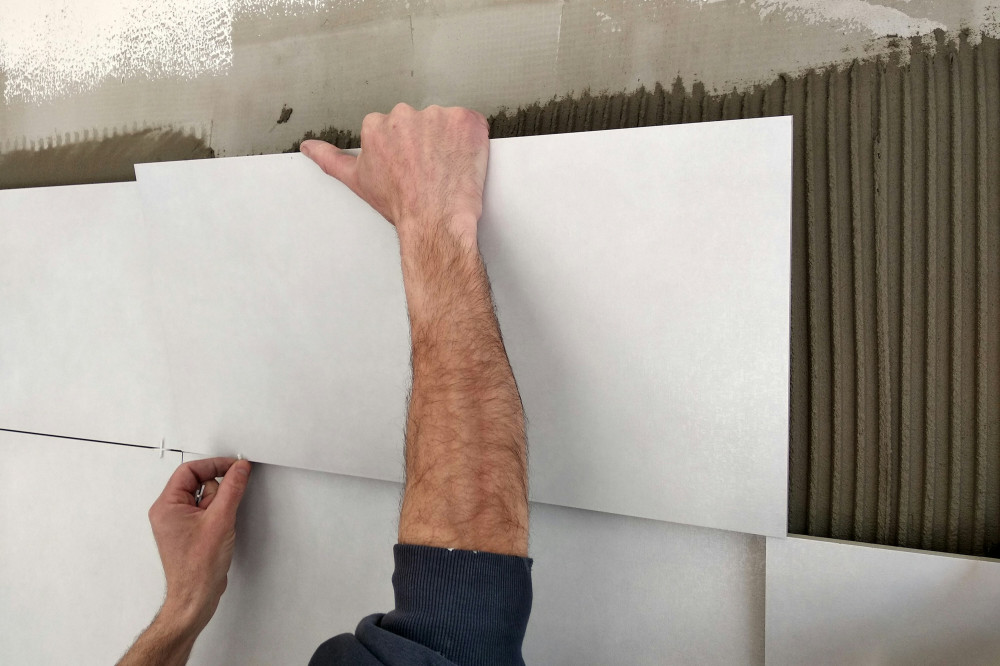
Gather samples – cladding, roofing, flooring, tiles, and fabrics – and view them together in natural daylight. This gives a realistic sense of how the materials will interact in your home’s environment.
The Façade Sets the Tone
The façade is the home’s public face and establishes its visual identity. The choice of cladding – whether timber, brick, plaster, or metal – influences not only the look but also maintenance and durability, especially in New Zealand’s varied climate zones.
- Timber cladding is a classic Kiwi choice, offering warmth and a connection to nature. Cedar, thermally modified pine, or locally sourced hardwoods can weather beautifully if treated correctly.
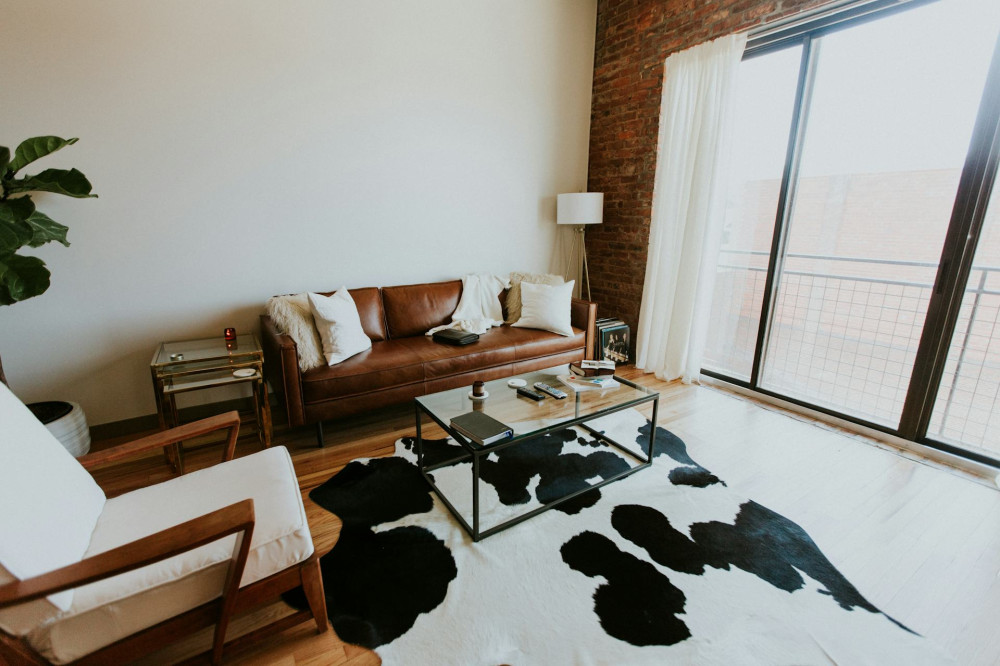
- Brick or masonry provides a timeless, low-maintenance finish that performs well in both coastal and inland conditions.
- Plastered or rendered finishes create a clean, modern look, ideal for contemporary architecture.
- Metal or fibre-cement panels deliver a sleek, industrial aesthetic and are highly durable in exposed environments.
When choosing your façade, consider how its materials or colours can be echoed inside – through flooring, joinery, or accent details – to create a seamless flow.
Blurring the Line Between Outdoors and Indoors
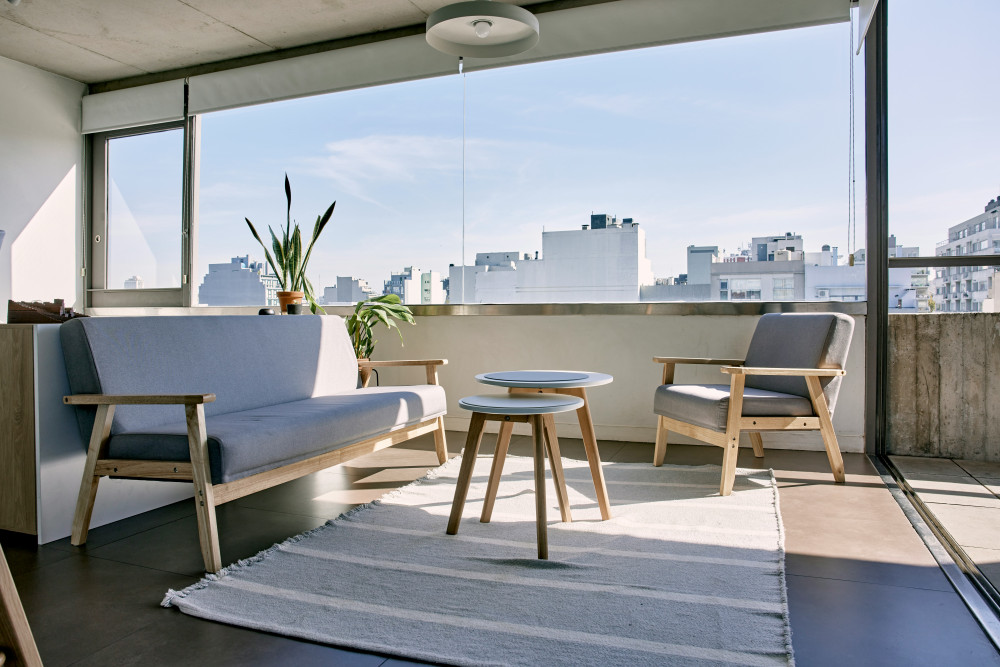
A truly harmonious home experience arises when the transition between outside and inside feels effortless. You can achieve this by repeating materials, colours, or textures across thresholds.
A timber deck that continues from interior flooring, or a stone wall that extends from the garden into the entryway, creates a sense of continuity. Even small details – window frames, door handles, or lighting fixtures – can help tie spaces together.
Natural light plays a key role too. Large windows, sliding doors, and skylights that draw in the surrounding landscape reinforce the connection between the built and natural environments – a hallmark of New Zealand living.
Interior Materials – Balancing Function and Atmosphere
Inside, material choices must balance practicality with ambience. Floors, walls, and ceilings should withstand daily life while contributing to the desired mood.
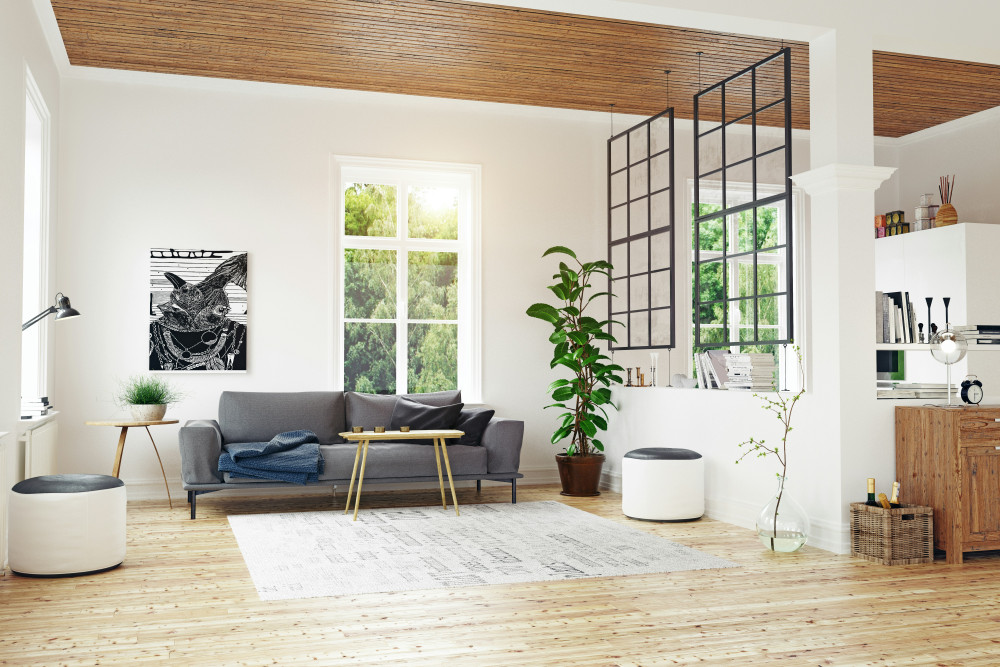
- Timber flooring adds warmth and character, perfect for open-plan living spaces.
- Tiles and natural stone are durable and ideal for kitchens, bathrooms, and entryways.
- Cork, bamboo, or linoleum offer sustainable, comfortable, and easy-care alternatives.
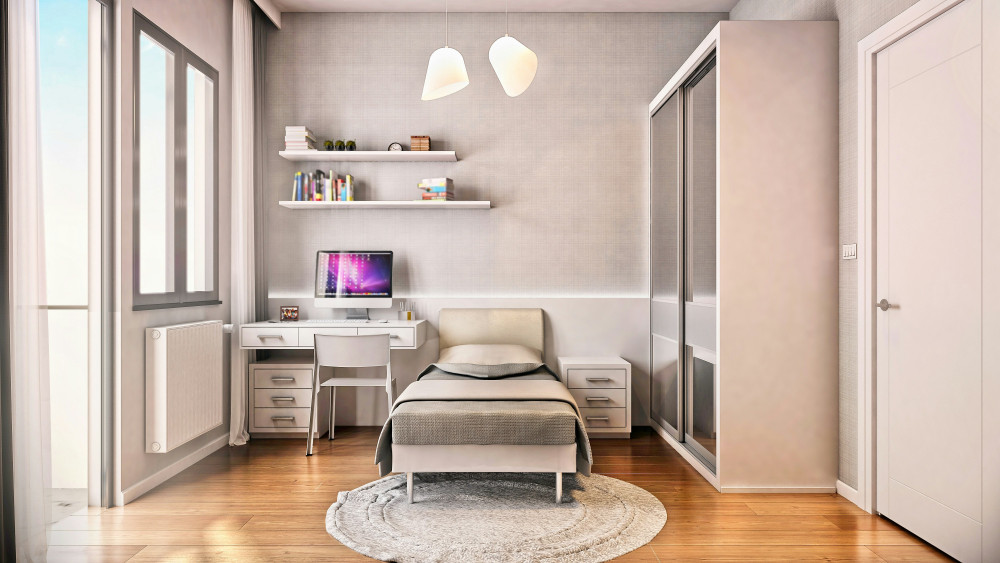
Choose materials that resonate with the exterior. A home with dark metal cladding might suit interiors with rich timbers and earthy tones, while a light plastered façade could pair beautifully with pale oak and soft, neutral finishes.
Colour and Texture as Connective Elements
Colour and surface texture are powerful tools for creating cohesion. Repeat tones from the exterior in the interior – perhaps as a wall colour, a piece of furniture, or a kitchen detail.
Matte and textured surfaces evoke a natural, calming feel, while glossy finishes bring lightness and modernity. A thoughtful balance between the two adds depth and interest without disrupting harmony.
Think Sustainably – in Both Design and Aesthetics
Harmony in material choices isn’t only about appearance – it’s also about responsibility. Opt for materials with long lifespans, low maintenance needs, and proven sustainability credentials.
Natural materials such as timber, brick, and lime-based paints age gracefully and can often be reused or recycled. Locally sourced products reduce transport emissions and support New Zealand’s building industry. The result is not just a beautiful home, but one that feels authentic and endures over time.
Læs også:


The Whole Makes the Difference
When materials work together, they create a sense of calm and balance that enhances everyday living. A home where façade, roof, flooring, and details speak the same design language feels complete and inviting – regardless of style.
It takes planning and intention, but the reward is a home that not only looks cohesive but also feels right. In the end, harmony in material choices is the key to a home with soul, connection, and lasting appeal.
Læs også: