From Craftsmanship to Design: The Influence of Traditions on Modern Flooring

From Craftsmanship to Design: The Influence of Traditions on Modern Flooring
Floors are more than just surfaces we walk on. They shape the atmosphere, function, and identity of a space – and they tell stories of how tradition and innovation meet. In New Zealand, where design often draws inspiration from both natural landscapes and cultural heritage, flooring has become a key element in expressing that connection. From hand-finished timber to patterned tiles and sustainable materials, the craftsmanship of the past continues to influence the aesthetics of today.
The Legacy of Craftsmanship in Modern Materials
Historically, floors were crafted with care and respect for the materials at hand. Māori builders and early European settlers alike used local resources – native timbers such as rimu, kauri, and tōtara, or natural stone and clay – shaped with skill and patience. That same appreciation for authenticity is returning in modern design, where homeowners and architects seek materials that feel genuine and enduring.
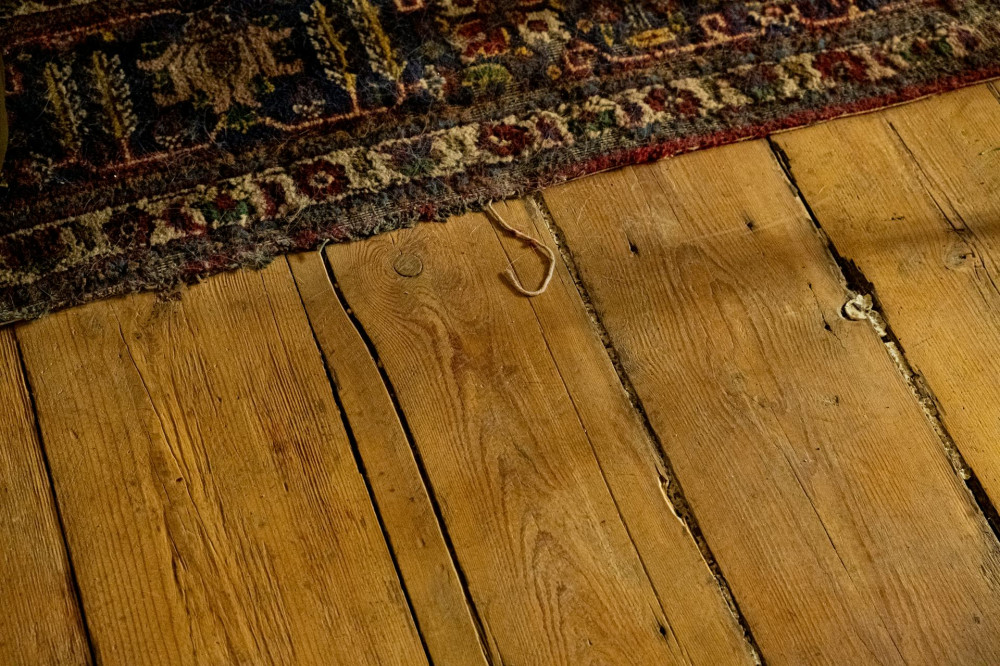
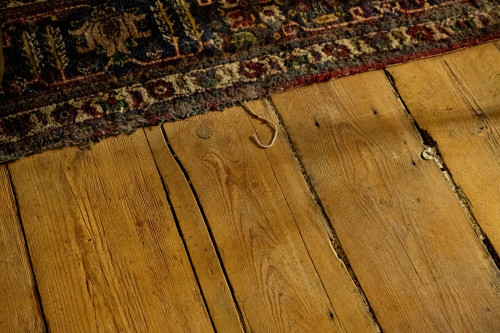
Timber flooring remains a favourite. Traditional wide planks, once common in colonial villas, are being reinterpreted with contemporary finishes that highlight the grain and improve durability. Natural oils and waxes, once used to protect and nourish the wood, are now available in eco-friendly formulations that align with New Zealand’s strong environmental values.
Patterns and Traditions Reimagined
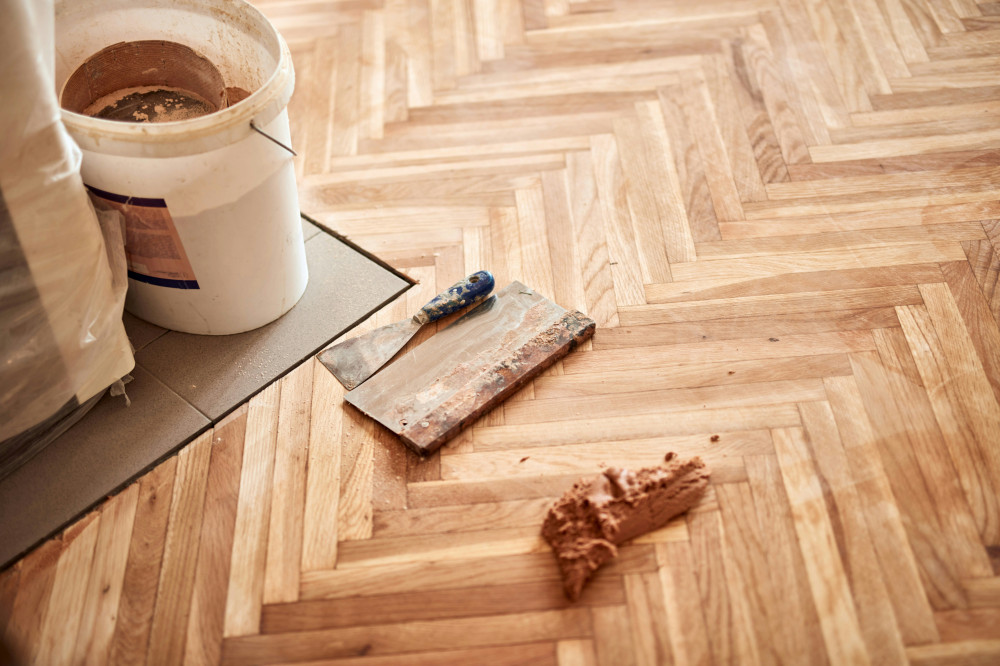
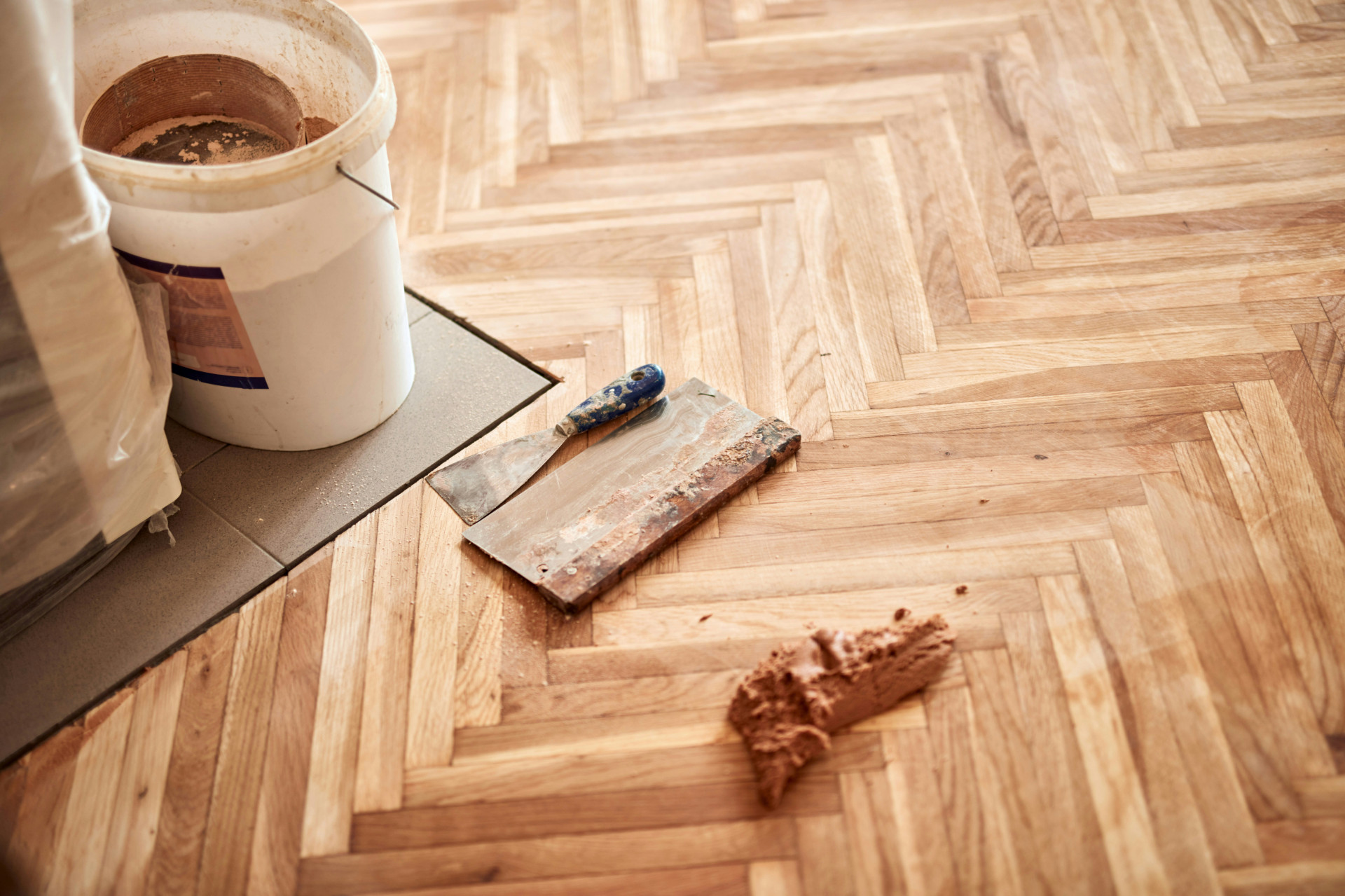
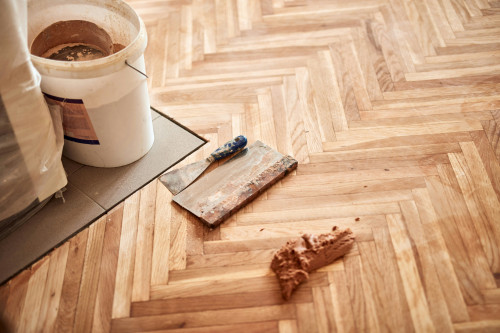
Many patterns we now associate with modern interiors have deep historical roots. Herringbone, chevron, and basketweave designs were once painstakingly laid by hand, each piece fitted with precision. Today, these patterns are revived with advanced manufacturing techniques, yet they still carry the charm of traditional craftsmanship.
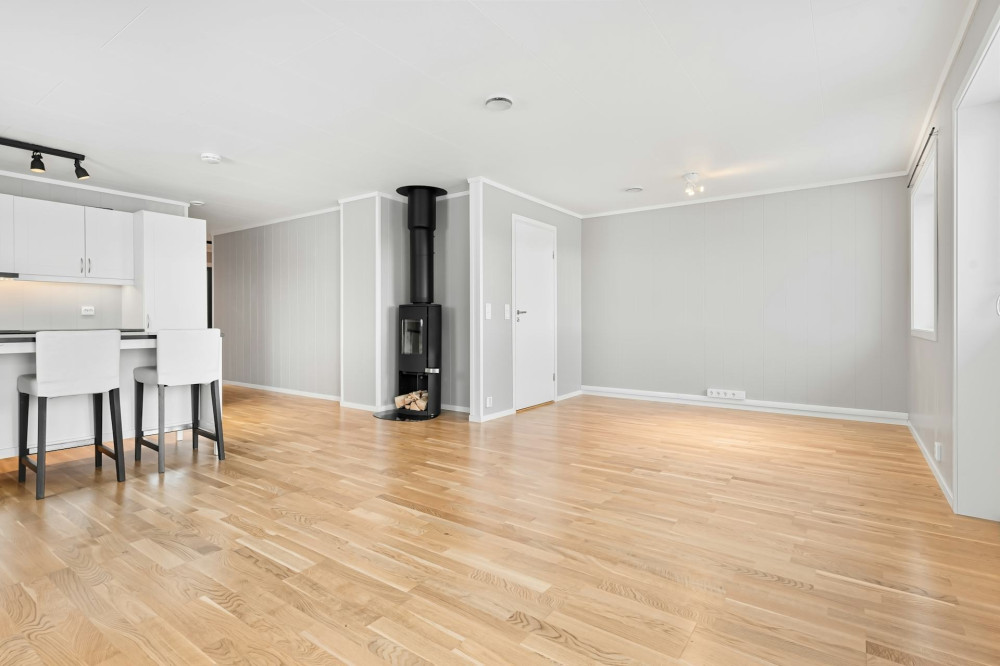
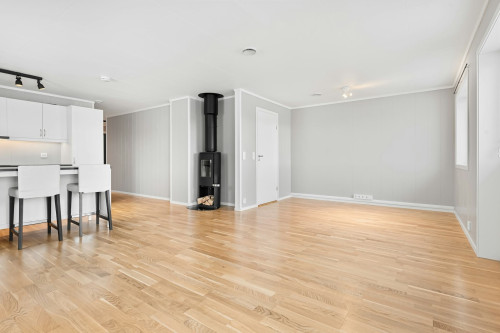
In New Zealand homes, these classic motifs are often paired with minimalist furniture and light, open spaces – a nod to Scandinavian influences that blend seamlessly with local design sensibilities. The result is a balance between heritage and modernity, where the floor becomes both a visual anchor and a subtle storyteller.
Læs også:
Sustainability as a Modern Form of Craft
Sustainability has become a defining principle of contemporary design, but its roots lie in traditional practices. In earlier times, materials were used thoughtfully – repaired, reused, and never wasted. That mindset is returning through reclaimed timber, recycled materials, and locally sourced products that reduce environmental impact.
Bamboo, cork, and linoleum are gaining popularity for their renewable qualities and natural warmth. Locally milled timber, certified by sustainable forestry programs, allows homeowners to support regional industries while maintaining a connection to the land. In this way, sustainability becomes not just a design choice, but a continuation of the respect for nature that has long been part of New Zealand’s identity.
Design That Tells a Story
A floor can be a design statement, but it can also tell a story about place, culture, and craftsmanship. Increasingly, architects and interior designers in New Zealand are using flooring to express a sense of belonging – whether through native materials, traditional patterns, or handcrafted finishes. A polished concrete floor might reflect the rugged beauty of the South Island, while a hand-laid timber floor can evoke the warmth of a coastal bach.
Choosing a floor with traditional roots means embracing a piece of cultural heritage. It might be a pattern inspired by Māori weaving, a timber species unique to Aotearoa, or a technique passed down through generations of craftspeople. Each choice adds depth and meaning to the modern home.
From Workshop to Home
Even in an age of industrial production, there is a growing appreciation for the handmade. Many flooring manufacturers now collaborate with artisans to preserve traditional techniques – brushing, staining, or finishing wood by hand to create unique textures and tones. These details give each floor a sense of individuality and authenticity that machines alone cannot replicate.
This blend of technology and tradition allows modern floors to be functional, beautiful, and sustainable – without losing the soul that defines true craftsmanship.
Tradition as Inspiration for the Future
When we talk about modern flooring today, we are also talking about values. The traditions of craftsmanship remind us that quality takes time, and that materials carry stories worth honouring. By building on the techniques of the past, we can create floors that are not only durable and elegant, but also meaningful – floors that connect us to our history, our environment, and the generations to come.
Læs også: