Properly Placed Manhole – The Key to an Efficient Sewer and Drainage System


Properly Placed Manhole – The Key to an Efficient Sewer and Drainage System
A reliable sewer and drainage system starts with careful planning – and the placement of manholes plays a crucial role in that process. Manholes are not just access points to underground pipes; they are essential for ensuring that wastewater and stormwater flow efficiently, and that the system can be inspected and maintained when needed. A poorly placed manhole can lead to blockages, flooding, and unnecessary repair costs. Here’s why proper placement matters and how it contributes to a well-functioning drainage network in New Zealand.
What Is a Manhole – and Why Does It Matter?
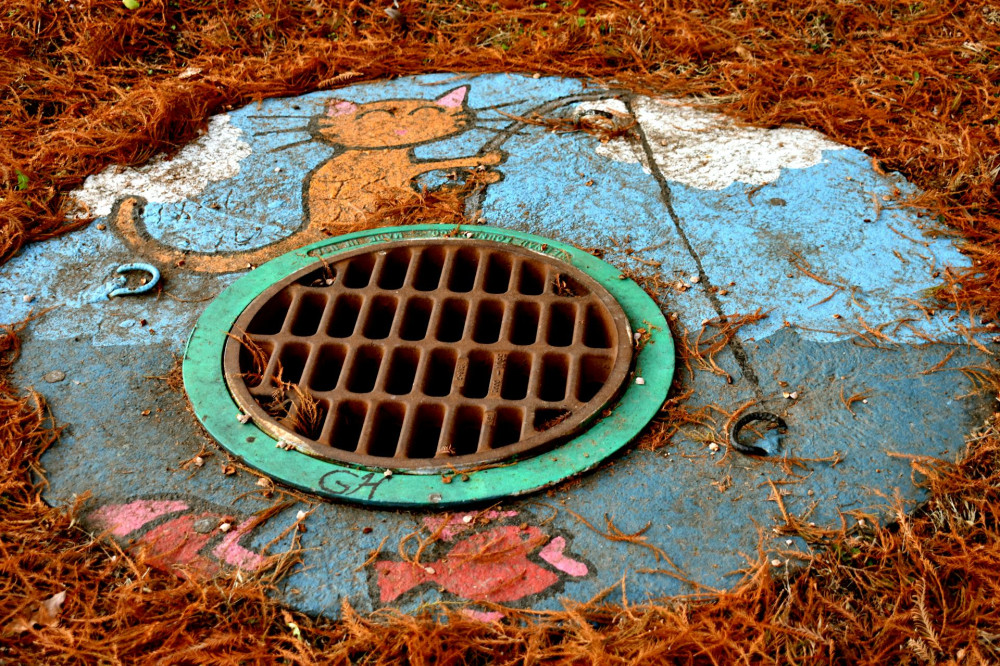
In drainage and sewer systems, a manhole is an inspection or junction point where pipes meet and where maintenance crews can access the system for cleaning, inspection, or repair. There are several types of manholes – including inspection chambers, junction manholes, and silt traps – each serving a specific purpose.
Manholes make it possible to monitor the condition of the system, check for blockages, and carry out maintenance safely. Without correctly placed manholes, even small issues can go unnoticed until they develop into major problems such as overflows or pipe collapses.
Proper Placement – More Than Just a Practical Detail
Manhole placement is not simply about convenience or where it’s easiest to dig. It must be planned with function, terrain, and accessibility in mind. As a general rule, manholes should be installed at every change in direction, at pipe junctions, and at the transition between private property drainage and the public sewer network.
Accessibility is also key. Manholes should not be covered by driveways, garden beds, or paving that makes them difficult to locate or open. Many homeowners only discover the problem when maintenance is needed – and the manhole is hidden under a deck or concrete slab.
Læs også:



Common Mistakes in Manhole Placement
Even small errors in placement can have serious consequences. Some of the most common mistakes include:
- Incorrect height or level – If the manhole is set too high or too low, it can disrupt the natural gradient of the pipes and cause water to back up.
- Missing manhole at a change in direction – This makes cleaning and inspection difficult and increases the risk of blockages.
- Poor accessibility – A manhole that is buried or obstructed by landscaping or structures complicates maintenance.
- Wrong type of manhole – Not all manholes serve the same purpose. For example, a silt trap should be placed where debris and sediment are likely to collect, while an inspection manhole should provide clear access to the main line.
Avoiding these mistakes requires both good planning and knowledge of local drainage standards.
Regulations and Responsibility – Who Can Do the Work?
In New Zealand, drainage and sewer work must comply with the Building Code and local council requirements. Any new installation or alteration to a drainage system must be carried out or supervised by a licensed drainlayer. Homeowners are responsible for ensuring that the private drainage on their property functions correctly, but only qualified professionals are permitted to install or modify manholes and pipes.
A licensed drainlayer can assess the site’s slope, soil type, and stormwater flow to determine the best placement for manholes. This ensures that the system meets both regulatory standards and practical needs, reducing the risk of future issues.
Maintenance – Keeping Manholes in Good Condition
Even the best-placed manhole requires regular maintenance. Check periodically that the cover is secure and that there are no signs of blockage, odour, or water pooling nearby. Annual inspections – often done alongside drain cleaning – can prevent many problems before they escalate.
If your property includes silt traps or stormwater manholes, these should be cleaned out regularly to remove sediment and debris. This simple maintenance step helps maintain proper flow and prevents flooding during heavy rain.
An Investment in Reliability and Safety
Properly placed manholes are not just a technical requirement – they are an investment in the long-term health of your drainage system. They make it easier to detect and fix problems early, protect your property from flooding, and ensure that wastewater and stormwater are managed efficiently.
When planning new drainage or upgrading an existing system, it’s worth consulting a licensed drainlayer about manhole placement. It’s a small detail that can make a big difference to the performance, safety, and durability of your entire system.
Læs også: