Rats and Rat-Proofing: Myths and Facts You Should Know

Rats and Rat-Proofing: Myths and Facts You Should Know
Rats are among the most troublesome pests in New Zealand. They damage property, spread disease, and threaten native wildlife. Yet many myths still circulate about how to prevent and control them. In this article, we separate fact from fiction and share practical advice on keeping your home and garden rat-free.
Myth 1: “Rats only show up if your place is dirty”
Cleanliness helps, but it’s not the whole story. Rats are opportunists that look for food, water, and shelter—conditions that can exist even in tidy homes. A small gap under the house, a broken drain, or pet food left outside overnight can be enough to attract them.
Fact: Even well-kept homes can get rats if there’s easy access or a steady food source. Regularly check for entry points and store food and rubbish securely.
Myth 2: “You can just use poison to get rid of them”
In New Zealand, rodenticides are available to the public, but they must be used carefully. Misuse can harm pets, native birds, and the wider environment. Some councils and pest control professionals now recommend traps or integrated pest management instead of relying solely on poison.
Fact: If you have a serious infestation, contact a licensed pest control operator. They can assess the situation and use the safest, most effective methods for your property.
Myth 3: “Rats can’t climb or swim”
Rats are excellent climbers and strong swimmers. They can scale walls, trees, and pipes, and they often travel through drains or waterways. In coastal and rural areas, they can even reach homes by crossing short stretches of water.
Fact: Seal gaps around pipes, vents, and rooflines, and install mesh screens where possible. Don’t assume height or water will keep them out.
Myth 4: “Rats only live in the city”
While urban rats are common, rural and coastal areas are not immune. In fact, rats are a major threat to New Zealand’s native birds and ecosystems. They nest in compost heaps, sheds, woodpiles, and even roof cavities—anywhere they can find warmth and food.
Fact: Whether you live in Auckland, Dunedin, or a small rural town, regular checks around your property are essential. Look for droppings, gnaw marks, or greasy rub marks along walls and beams.
Myth 5: “Having a cat will keep rats away”
Some cats may catch small rodents, but most will avoid adult rats, which can be large and aggressive. Relying on pets alone won’t solve a rat problem.
Fact: The best prevention is to remove what attracts rats—food, water, and shelter—not to depend on natural predators.
How to Rat-Proof Your Home
Prevention is easier and cheaper than dealing with an infestation. Here’s what you can do:
- Inspect your property: Seal cracks, holes, and gaps larger than a 10‑cent coin.
- Secure rubbish and compost: Use bins with tight-fitting lids and avoid leaving food scraps exposed.
- Manage pet food: Feed pets indoors or remove uneaten food promptly.
- Trim vegetation: Keep trees and shrubs away from walls and roofs to reduce climbing access.
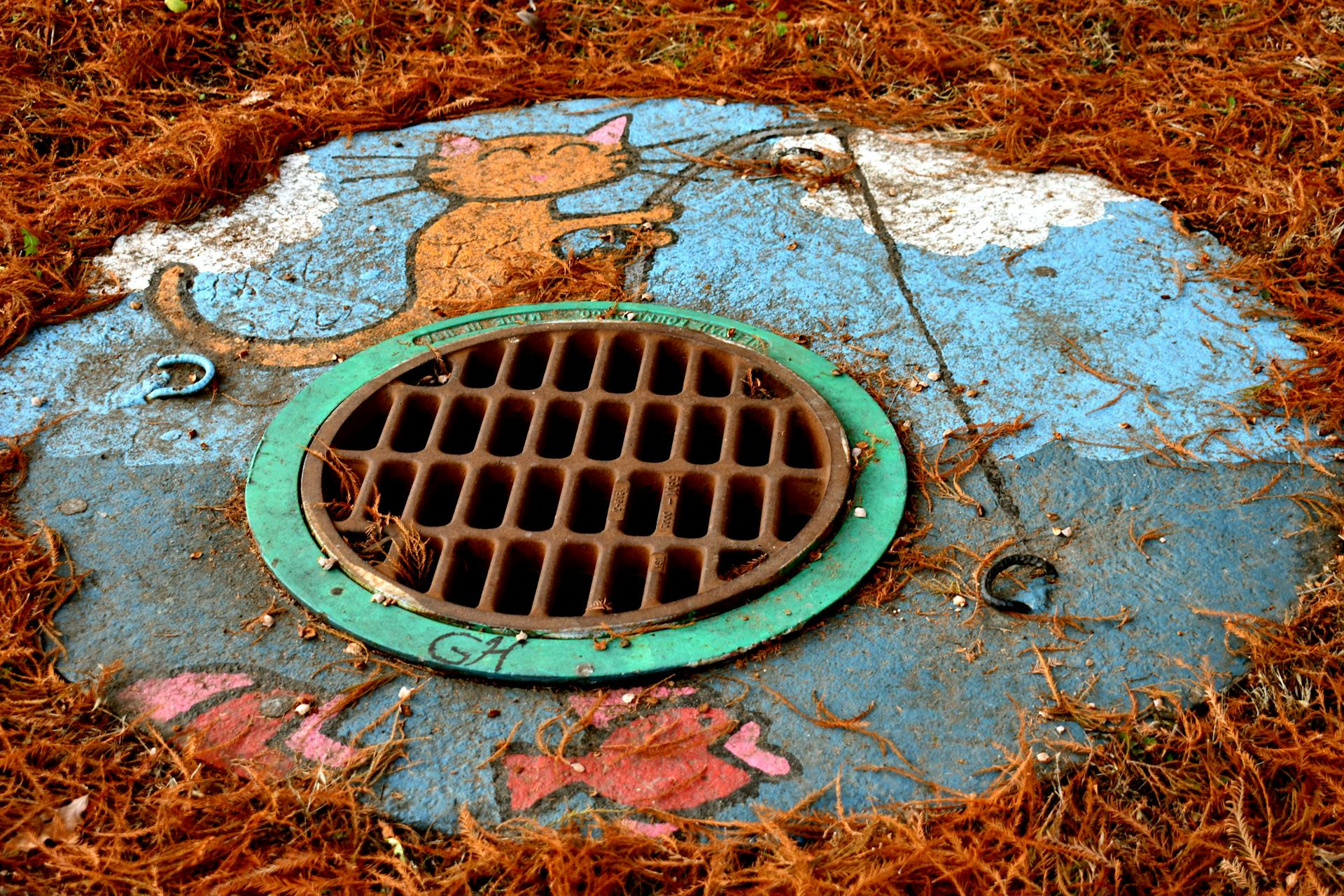
- Check drains and vents: Fit mesh covers and repair any damage that could allow entry.
- Store firewood and materials off the ground: Rats love sheltered piles for nesting.
What to Do If You See a Rat
If you spot a rat or signs of one, act quickly. Set snap traps or contact a pest control professional before the problem spreads. In rural or conservation areas, report sightings to your local council or Department of Conservation office, as rats can threaten native species.
Avoid using homemade poisons or unapproved baits—they can be dangerous to pets and wildlife.
Læs også:




Myths Can Be Costly
Many infestations start because people underestimate how easily rats can get in or survive. Believing “it won’t happen here” can lead to expensive damage and health risks. By understanding the facts and taking preventive steps, you can protect your home, your family, and New Zealand’s unique environment.
Rats are part of the landscape, but they don’t belong in our homes. With awareness, maintenance, and responsible pest control, you can keep them out—and keep your property safe.
Læs også: