Choosing Roofing Wisely: Balancing Aesthetics, Function, and Maintenance

Choosing Roofing Wisely: Balancing Aesthetics, Function, and Maintenance
The roof is one of the most defining and essential parts of any home – both visually and functionally. It shields against New Zealand’s diverse weather, influences energy efficiency, and plays a major role in the home’s overall character. Choosing the right roofing material is therefore not just a matter of taste, but also of durability, maintenance, and long-term value. Here’s how to find the right balance between aesthetics, performance, and practicality when selecting a roof for your home.
Aesthetics: The Roof as a Design Statement
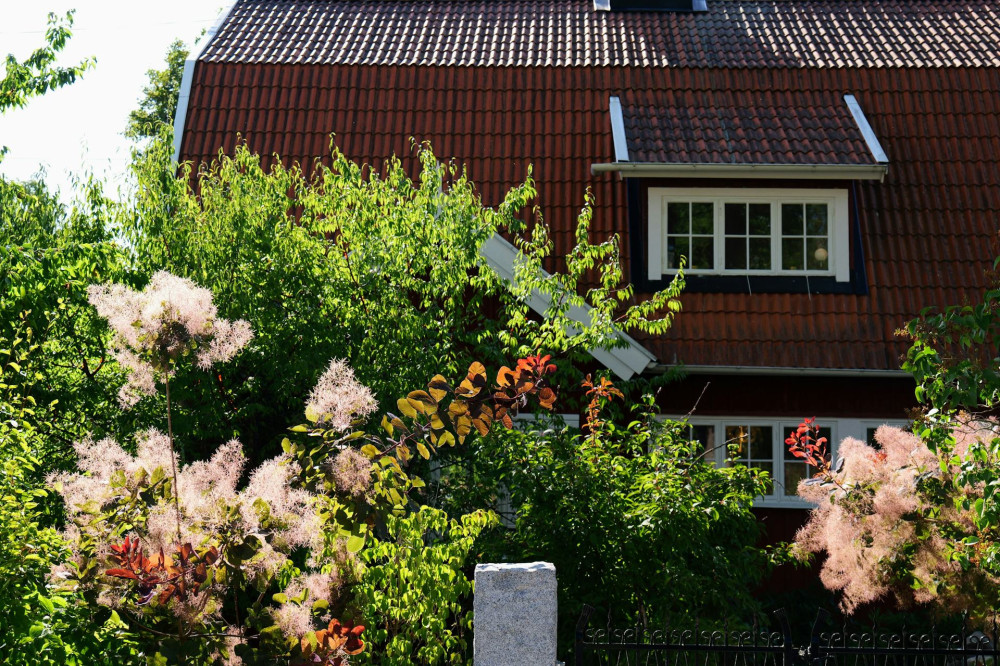
A roof can make up a large portion of a home’s visible exterior, so its colour, shape, and texture have a big impact on the overall look. A traditional corrugated iron roof in a muted tone can give a classic Kiwi feel, while sleek metal panels or dark tiles can create a more contemporary appearance. Natural materials like cedar shingles or slate add warmth and texture, while green or living roofs can help a home blend into its surroundings.
When choosing roofing, consider the architectural style of your home and the local environment. A villa or bungalow might suit corrugated steel or clay tiles, while a modern home could look best with flat-profile metal or membrane roofing. In some areas, local councils or heritage zones may have restrictions on roofing materials or colours, so it’s worth checking before you commit.
Function: Built for New Zealand Conditions
A roof must do more than look good – it needs to perform well in New Zealand’s varied climate. From the heavy rain and humidity of the North Island to the snow and frost of the South, roofing materials must be chosen with local conditions in mind.
- Metal roofing (such as Colorsteel or zincalume) is lightweight, durable, and ideal for most regions. It resists corrosion when properly coated and is well suited to both new builds and renovations.
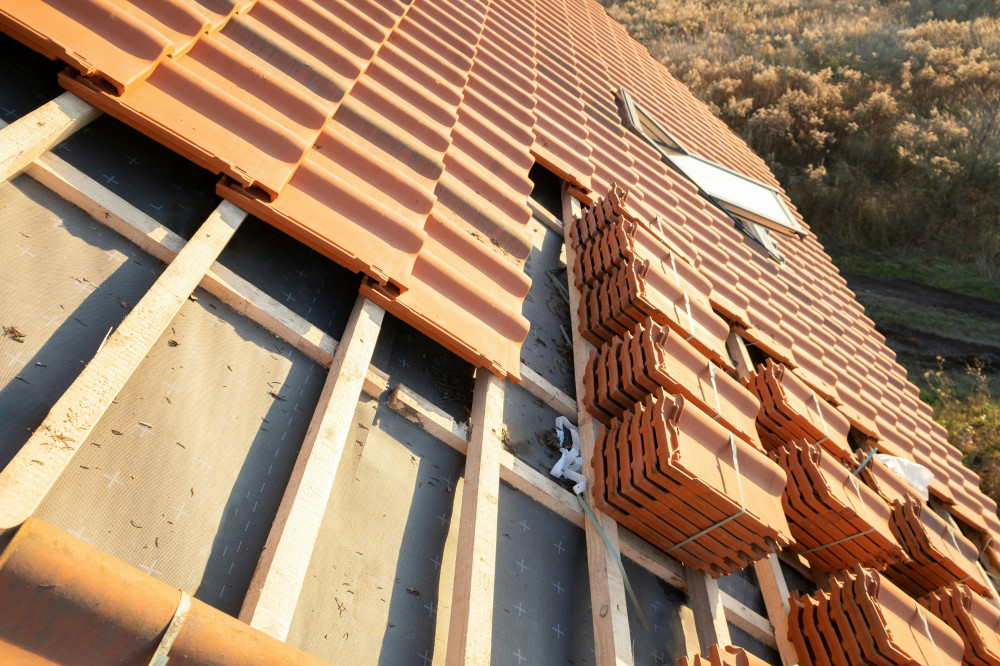
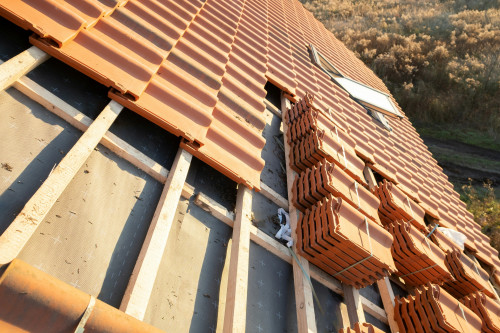
- Concrete and clay tiles are heavier but offer excellent longevity and thermal mass, helping to regulate indoor temperatures.
- Asphalt shingles are a cost-effective option for moderate climates, though they may require more maintenance in coastal or high-UV areas.
- Membrane roofing is often used for flat or low-pitched roofs, common in modern architecture, but must be installed carefully to ensure watertightness.
- Natural slate or timber shingles provide a premium look and long lifespan but come with higher costs and maintenance needs.
Insulation and ventilation are also key. A well-insulated roof can reduce heat loss in winter and prevent overheating in summer, while proper ventilation helps avoid condensation and mould – especially important in humid regions.
Maintenance: Thinking Long-Term
A beautiful roof is only an asset if it stays that way. Maintenance requirements vary widely between materials and climates.
- Metal roofs generally need little upkeep beyond occasional washing to remove salt and debris, especially in coastal areas.
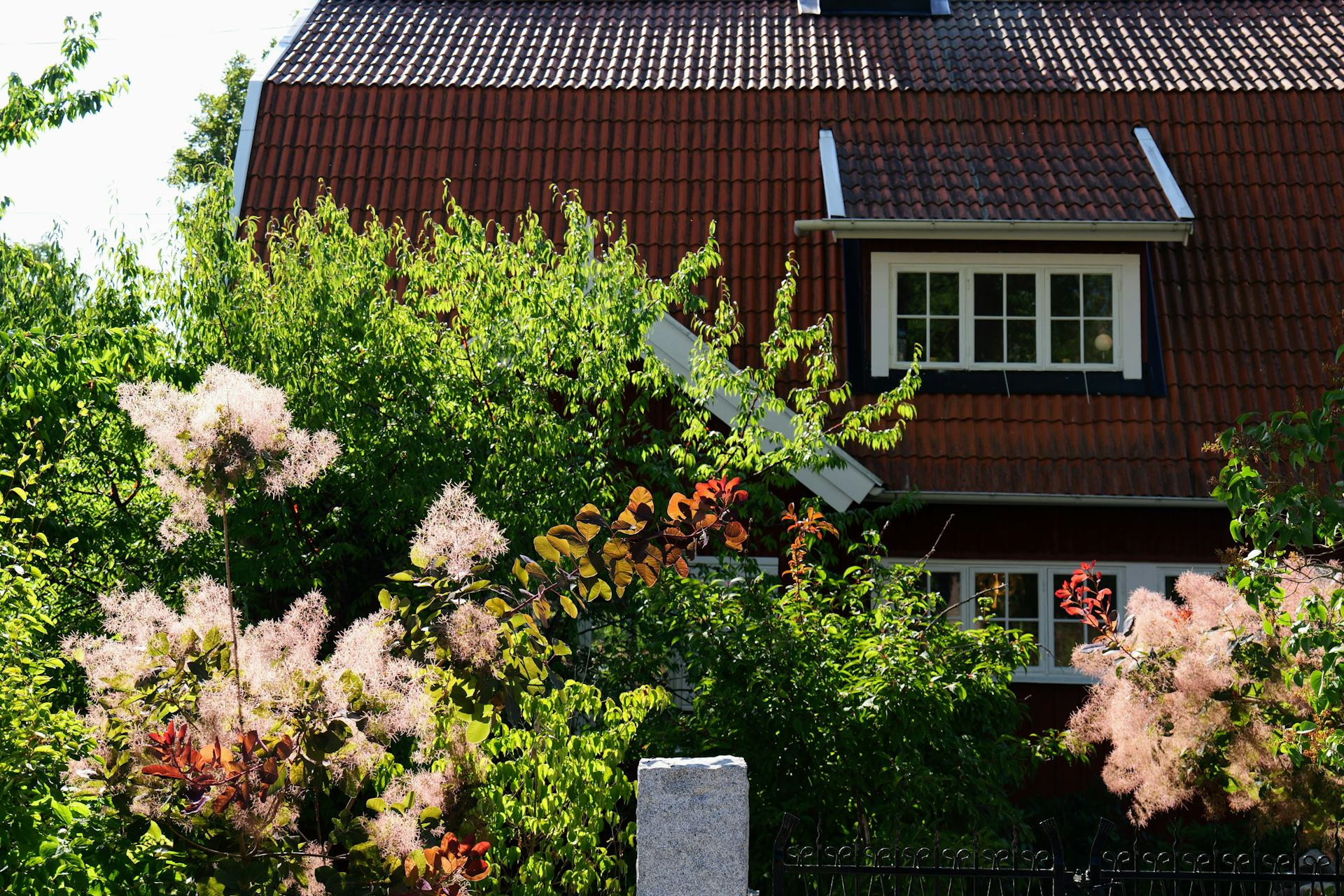
- Tile roofs may need periodic cleaning to remove moss and lichen, and cracked tiles should be replaced promptly.
- Membrane roofs should be inspected regularly for punctures or pooling water.
- Timber shingles require treatment to prevent rot and UV damage, particularly in wetter regions.
Planning for maintenance early can save time and money later. If you prefer a low-maintenance home, materials like pre-painted steel or concrete tiles may be the most practical choice.
Læs også:

Cost and Sustainability
The cost of a new roof depends on material, design complexity, and installation. While metal and concrete tiles are often more affordable, premium materials like slate or timber can add significant value and longevity. It’s wise to consider the total cost of ownership – a more expensive roof that lasts twice as long and needs less maintenance may be the better investment.
Sustainability is also becoming a key factor in roofing decisions. Many metal roofs are made from recycled materials and can be fully recycled at the end of their life. Green roofs and solar-ready designs are gaining popularity, helping to manage stormwater, improve insulation, and reduce a home’s carbon footprint.
The Right Choice Is an Informed One
There’s no single “best” roof for every home. The ideal choice depends on your location, budget, architectural style, and lifestyle. Take time to explore your options, consult with roofing professionals, and weigh both the aesthetic and practical aspects. A well-chosen roof not only protects your home for decades but also enhances its character and comfort.
A roof is more than just a cover – it’s an investment in your home’s beauty, resilience, and future.
Læs også: