Store Insulation Materials Properly – Prevent Waste and Moisture Damage on the Roof

Store Insulation Materials Properly – Prevent Waste and Moisture Damage on the Roof
Insulation is a key investment in a warm, energy-efficient home. But even the best materials can lose their performance if they’re not stored correctly before installation. Moisture, dirt, and poor handling can lead to waste and long-term damage that’s costly to fix. Here’s how to store insulation properly so your roof stays dry, healthy, and durable in New Zealand’s varied climate.
Why Proper Storage Matters
Whether you’re using glass wool, polyester, rigid foam, or natural fibre insulation, all materials are sensitive to moisture. Once insulation gets wet, its thermal performance drops, and it can promote mould growth or rot in the roof structure. Wet materials are also difficult to dry completely and may lose their shape, making them harder to fit correctly.
That’s why insulation should always be kept dry, clean, and protected from the weather until it’s ready to be installed. This applies both on building sites and for smaller DIY projects at home.
Protecting Insulation from Moisture
New Zealand’s weather can change quickly – a sunny morning can turn into a downpour by afternoon. Even short exposure to rain or heavy dew can damage insulation. Follow these steps to keep it safe:
- Store insulation under cover – in a garage, shed, or beneath a well-secured waterproof tarp.
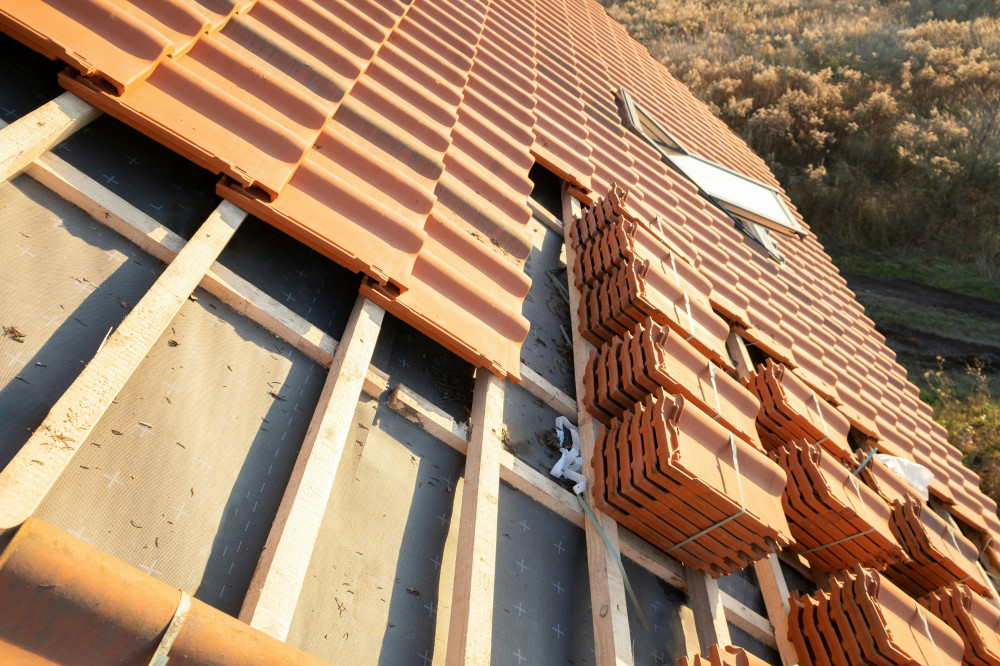
- Keep it off the ground – place packs on pallets or timber slats to prevent moisture rising from the soil.
- Allow ventilation – don’t seal insulation completely under plastic; trapped condensation can cause dampness.
- Avoid direct sunlight – prolonged UV exposure can make foam boards brittle or cause packaging to degrade.
If insulation arrives damp or damaged, don’t install it. Check with your supplier before use to ensure it meets quality standards.
Handling on the Building Site
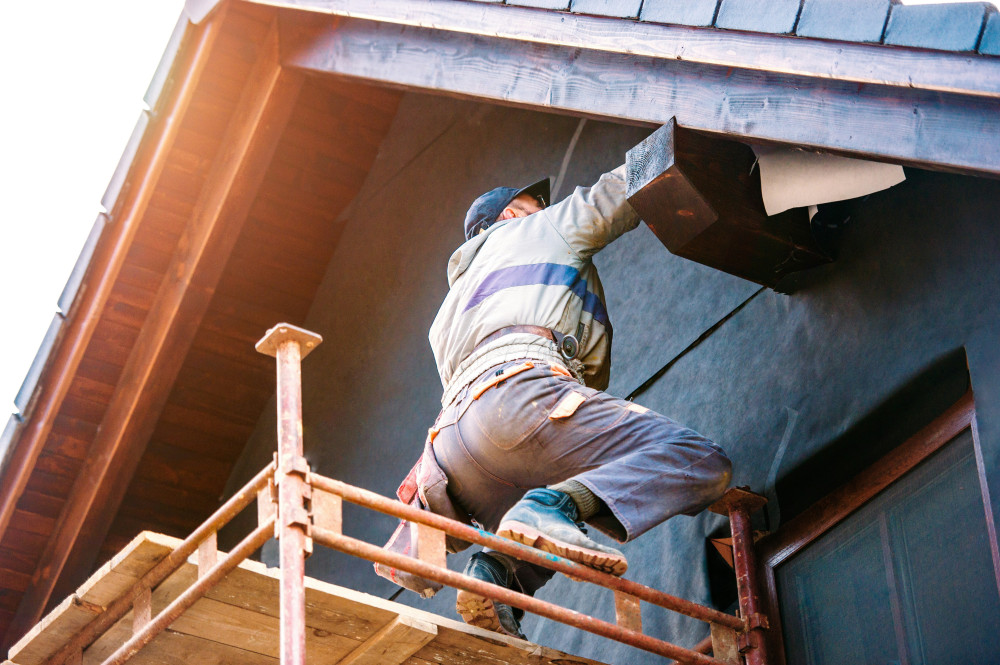
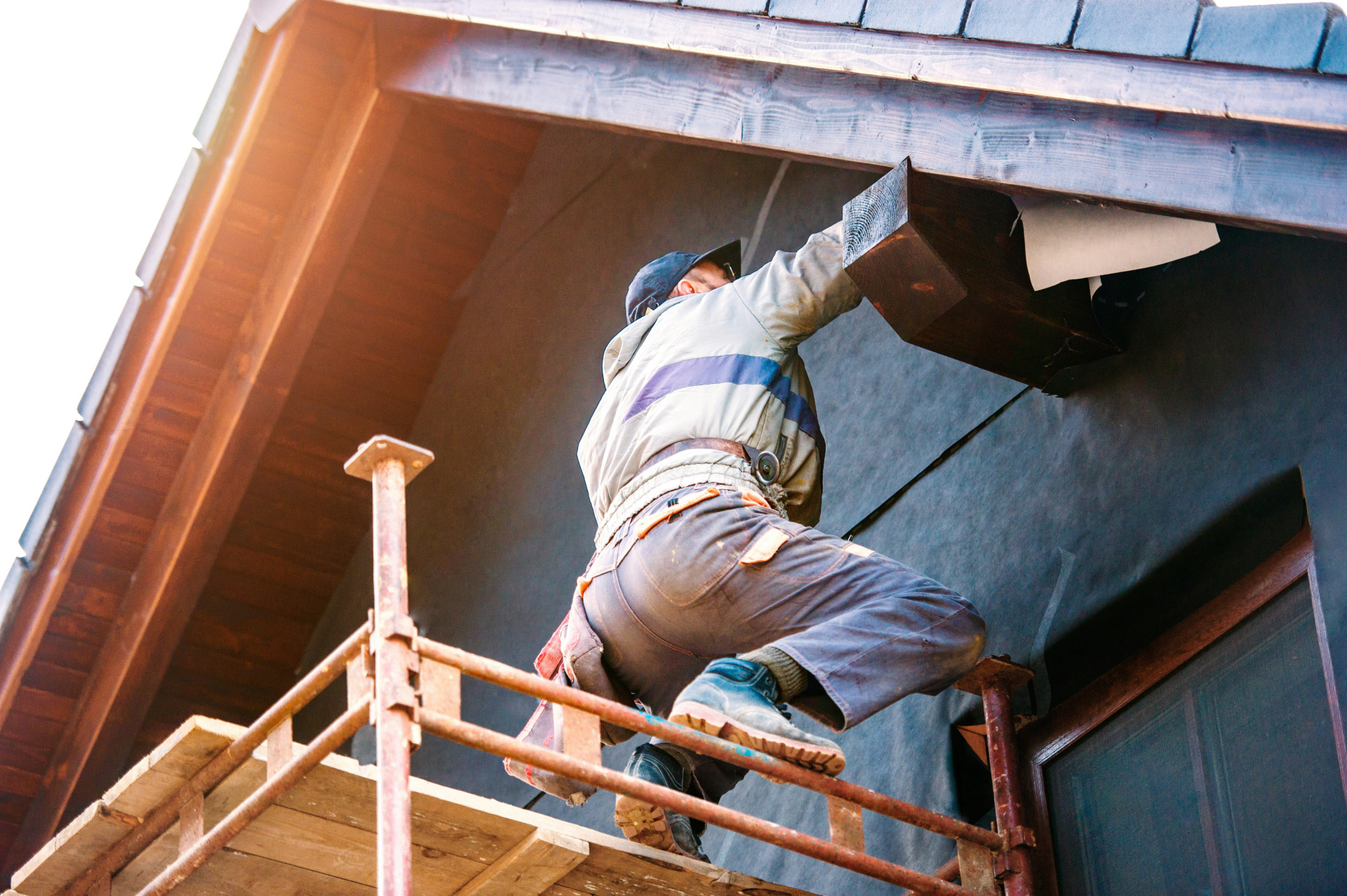
When it’s time to install, plan your work so insulation isn’t left exposed for long. Only unpack what you can install the same day. If work is interrupted, cover the materials again before leaving the site.
Roof projects are especially vulnerable to sudden showers. Even a small amount of water can seep into the structure and cause problems later. Use temporary coverings such as tarpaulins or roofing underlay to protect open areas during installation. It may take a few extra minutes, but it prevents costly repairs down the track.
Avoid Waste and Damage
Insulation is lightweight but can be easily damaged. Rough handling can crush or tear it, reducing its effectiveness and creating unnecessary waste.
- Lift and carry carefully – don’t drag packs across rough surfaces.
- Cut with sharp tools – clean cuts make fitting easier and reduce offcuts.
- Store leftover pieces dry – they’re often useful for small gaps or touch-ups later.
By treating insulation with care, you’ll save money and ensure your roof performs as intended.
Læs også:


Safety First
When handling insulation, especially glass wool or mineral fibre, wear gloves, long sleeves, and a dust mask to avoid irritation. Keep your workspace tidy to prevent tripping or damaging materials.
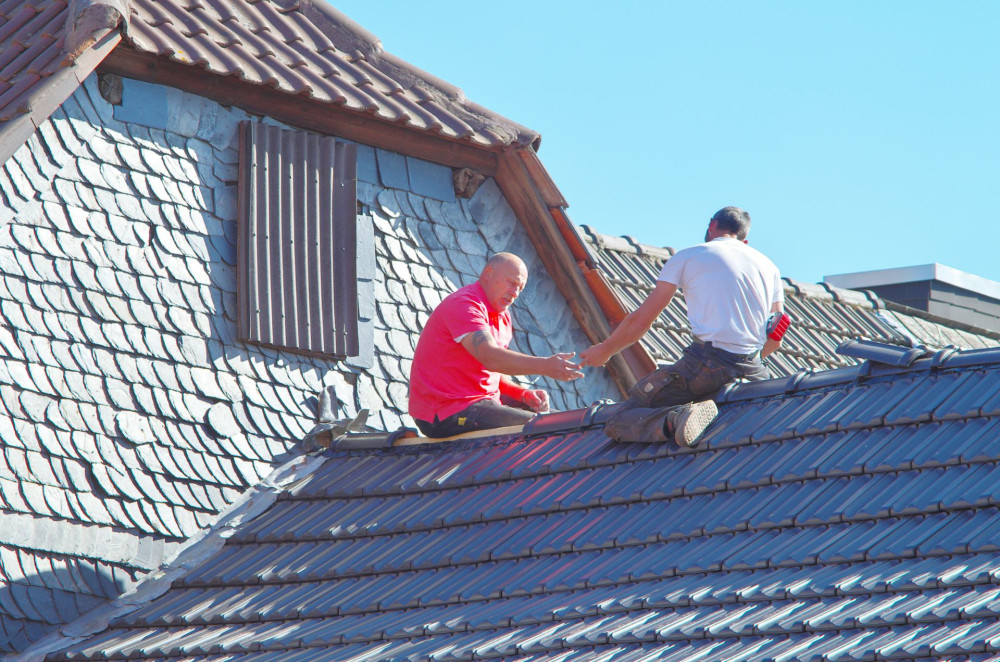
If you’re working on a roof, always use proper fall protection and follow New Zealand’s health and safety guidelines. A safe, dry work environment is just as important as dry insulation.
A Dry Roof Starts with Dry Insulation
Proper storage is a small effort that makes a big difference. By keeping insulation dry, clean, and undamaged, you preserve its performance and protect your roof for years to come.
A healthy, weather-tight roof doesn’t start when the insulation is installed – it starts the moment you store it the right way.
Læs også: