Concrete Roof Weight – How It Affects Transport and Installation

Concrete Roof Weight – How It Affects Transport and Installation
Concrete roofing is valued for its strength, durability, and timeless appearance – but also recognised for its considerable weight. While lightweight materials such as metal or asphalt shingles can be handled with relative ease, concrete roof tiles require more planning when it comes to both transport and installation. The weight affects everything from logistics and lifting equipment to the structural capacity of the roof frame. Here’s an overview of how the weight of a concrete roof influences the process – and what New Zealand homeowners and builders should keep in mind.
How Heavy Is a Concrete Roof?
Concrete roof tiles are among the heaviest roofing options available. A single tile typically weighs between 4 and 5 kilograms, and a complete roof can weigh around 40–50 kilograms per square metre. For a standard 150-square-metre home, that means several tonnes of roofing material.
This weight isn’t necessarily a disadvantage. In fact, it provides stability and resistance against New Zealand’s strong winds and variable weather. However, it does place demands on both the roof structure and the way the tiles are handled during transport and installation.
Transport: Planning and Logistics
When transporting concrete roof tiles, weight is a key consideration. A truck can only carry a limited number of pallets, so multiple deliveries may be required compared to lighter roofing materials. This can increase transport costs, especially for projects in remote or hilly areas.
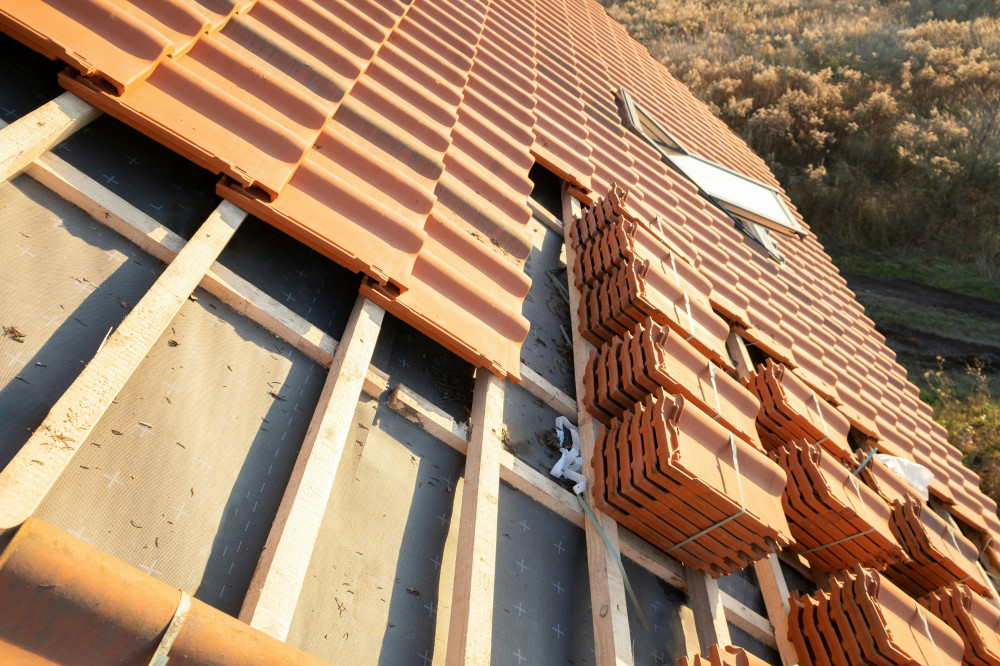
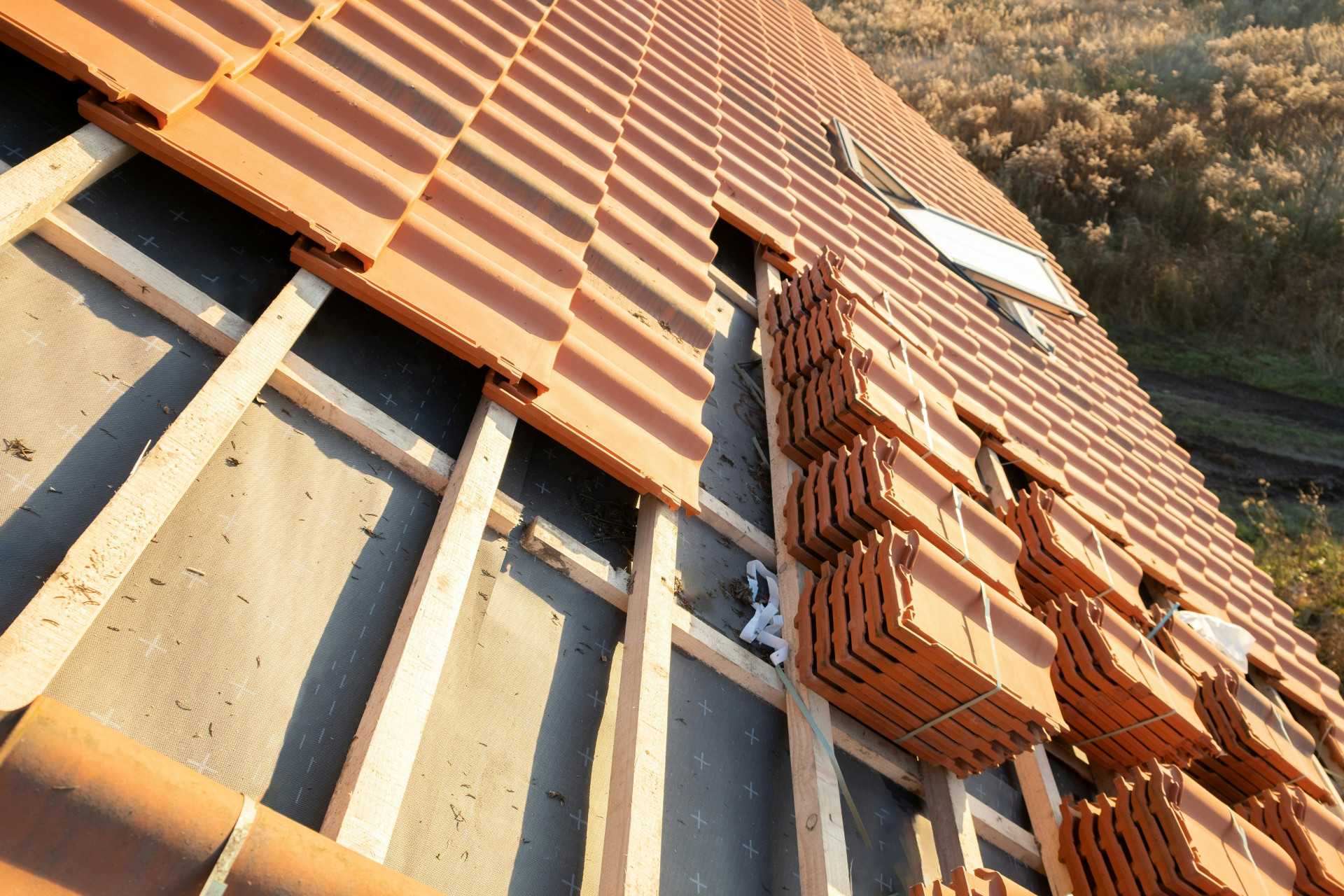
To prevent damage during transport, tiles are packed tightly and securely on pallets. On-site, the ground should be level and firm to ensure safe placement. Many suppliers in New Zealand offer delivery with a truck-mounted crane, allowing pallets to be lifted directly onto scaffolding or the roof surface – saving both time and manual labour.
Installation: Strength and Precision Required
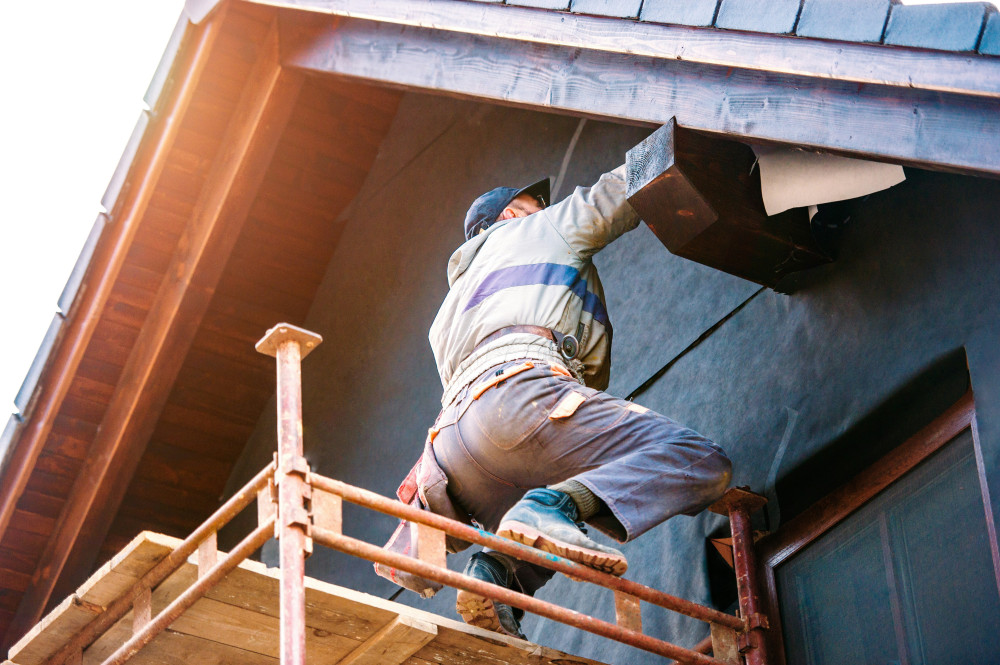
Installing a concrete roof requires experience and the right equipment. The heavy tiles must be handled carefully to avoid breakage, and lifting is often done with a crane or hoist. It’s rarely a DIY-friendly task, as the weight and precision required demand professional skill.
The roof structure must be designed to support the total load – including the tiles and any additional weight from wind or snow in colder regions. Before replacing an existing roof with concrete tiles, it’s essential to have a structural engineer assess whether the current framing can handle the extra weight.
Advantages of a Heavy Roof
Although the weight can seem like a challenge, it also offers clear benefits. A heavy roof sits firmly on the structure, making it less prone to storm damage – an important factor in New Zealand’s windy coastal and alpine regions. Concrete tiles also provide excellent sound insulation, reducing the noise of rain and hail compared to lighter materials.
The thermal mass of concrete helps regulate indoor temperatures by absorbing and slowly releasing heat. This can contribute to a more stable indoor climate, particularly in well-insulated homes.
Disadvantages and Practical Considerations
The main drawback of a concrete roof’s weight is the additional structural and handling requirements. A heavy roof needs a solid foundation and strong trusses, which can increase construction costs. In renovation projects, reinforcing the existing roof structure may be necessary before installation.
The added weight also makes the work more time-consuming and demands strict safety measures on site. For this reason, most homeowners choose to have both transport and installation handled by professional roofing contractors experienced with concrete tiles.
Læs også:


Planning a Concrete Roof Project
If you’re considering a concrete roof, it’s wise to factor in the weight early in the planning stage. Here are some key points to consider:
- Get a structural assessment to ensure your roof frame can support the load.
- Coordinate delivery with your builder or roofer so pallets are placed efficiently.
- Ensure site access for cranes or lifting equipment.
- Plan installation for dry weather, as wet tiles become heavier and more slippery to handle.
With proper planning, a concrete roof can be installed efficiently and safely – resulting in a roof that lasts for decades with minimal maintenance.
A Heavy Roof Built to Last
The weight of a concrete roof is both a challenge and a strength. It requires careful planning for transport and installation, but in return, you get a roof that stands firm in all weather and can last 50 years or more. For many New Zealand homeowners, it’s an investment in security, durability, and long-term value – a solid roof that stays exactly where it should.
Læs også: