Meeting with an Energy Consultant – What Can You Expect?

Meeting with an Energy Consultant – What Can You Expect?
Meeting with an energy consultant can be the first step towards a more efficient, comfortable, and sustainable home. Whether you’re planning a renovation, considering solar panels, or simply want to reduce your power bills, a professional assessment can provide valuable insights and practical recommendations. But what actually happens during such a meeting, and what should you expect when the consultant arrives?
What Does an Energy Consultant Do?
An energy consultant is a trained professional who evaluates how your home uses energy and identifies ways to improve efficiency. They often have backgrounds in building science, engineering, or environmental management and are skilled at assessing everything from insulation and windows to heating, cooling, and ventilation systems.
The goal is to find solutions that reduce energy use, improve comfort, and lower costs—without compromising the home’s design or functionality. Recommendations can range from simple behavioural changes to larger upgrades such as installing a heat pump or improving insulation.
Before the Visit – Preparation and Expectations
Before the consultant visits, it’s helpful to gather some information about your home, such as:
- Floor plans or building drawings
- Past energy reports or certificates
- Recent power bills or gas usage data
- Any renovation plans or maintenance issues
The more details you can provide, the more accurate the advice will be. Many consultants will also ask about your goals—whether you want to cut costs, reduce your carbon footprint, or improve indoor comfort. This helps them tailor their assessment to your priorities.
During the Visit – A Walkthrough of Your Home
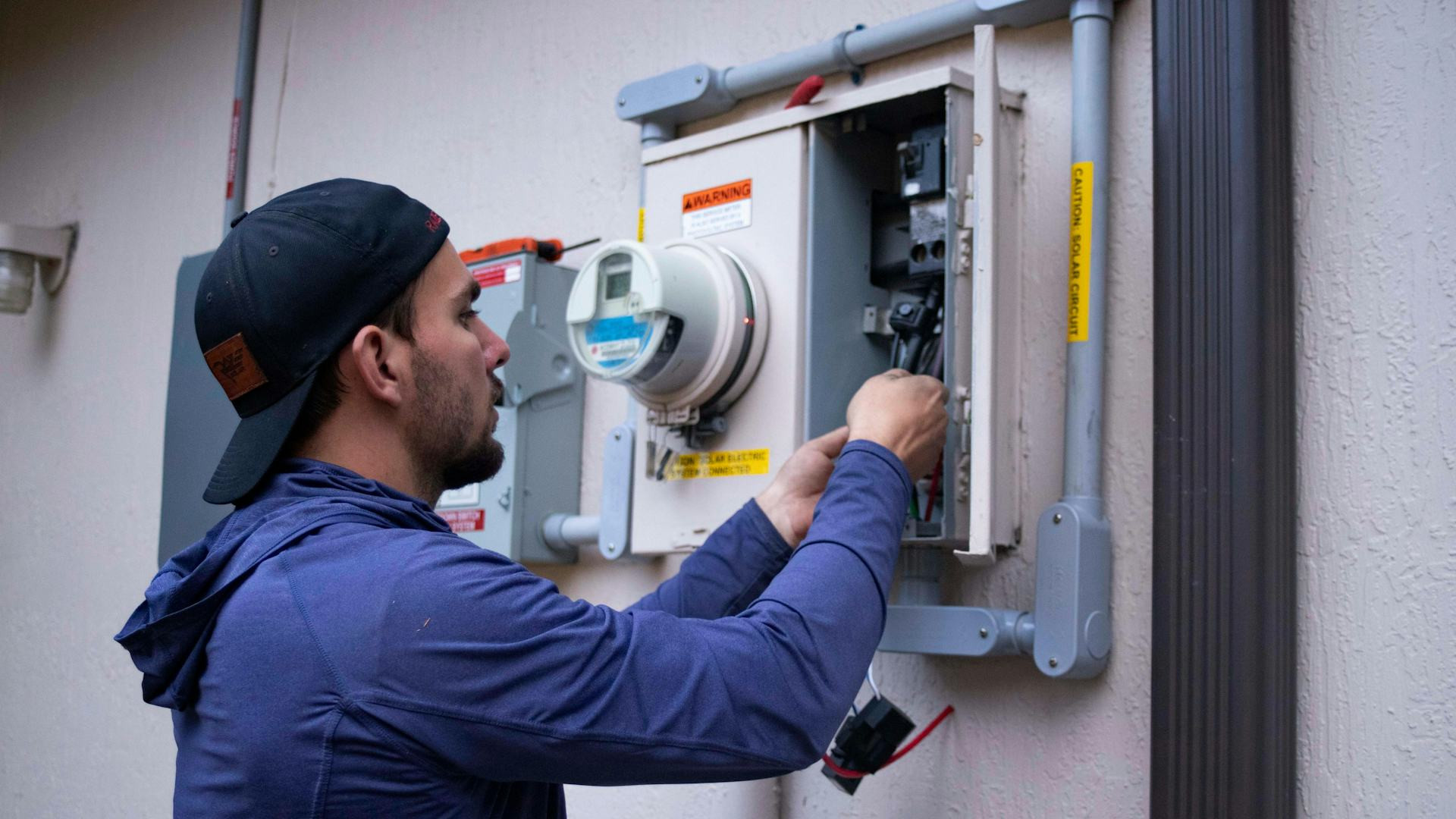
The meeting usually begins with a short discussion about your home’s age, condition, and your energy concerns. The consultant will then carry out a detailed inspection, which may include:
- Insulation in the roof, walls, and underfloor areas
- Windows and doors, including glazing type and air tightness
- Heating and cooling systems, such as heat pumps, wood burners, or gas heaters
- Ventilation and moisture control
- Lighting and appliance efficiency
They may use tools like thermal cameras or moisture meters to detect heat loss or dampness. Throughout the visit, you’ll often receive on-the-spot advice and explanations, helping you understand where energy is being wasted and what improvements could make the biggest difference.
Læs også:

After the Visit – Report and Recommendations
Following the assessment, the consultant will prepare a report summarising their findings and outlining specific recommendations. This report may include:
- An overview of your home’s current energy performance
- Suggestions for improvements, such as upgrading insulation, sealing draughts, or installing solar panels
- Estimated costs and potential savings
- A prioritised list of actions, showing which upgrades will deliver the best return
Some consultants can also advise on available government grants, regional council programmes, or financing options to help you implement the recommended changes.
What Does It Cost – and What’s the Benefit?
The cost of an energy consultation in New Zealand typically ranges from around $300 to $800, depending on the size of your home and the level of detail required. While it’s an upfront expense, many homeowners find that the savings on power bills and the improved comfort quickly make up for it.
In addition, an energy report can be a valuable asset if you’re selling your home—it demonstrates that you’ve taken steps to understand and improve its efficiency, which can appeal to environmentally conscious buyers.
Investing in a Sustainable Future
Meeting with an energy consultant isn’t just about saving money today. It’s about making informed, long-term decisions that create a healthier, more sustainable home for the future.
By seeking professional advice, you gain a clear picture of your home’s performance and a practical plan for improvement. It’s an investment that benefits both your household and the environment—helping you live more comfortably while reducing your impact on New Zealand’s precious natural resources.
Læs også: