Insulate the Floor from Below: Practical Solutions from the Basement or Crawl Space


Insulate the Floor from Below: Practical Solutions from the Basement or Crawl Space
Cold floors can make even the most comfortable home feel uninviting. In many New Zealand houses—especially older villas and bungalows—insulation under the floor is either minimal or missing altogether. This means valuable heat escapes downward while cold air seeps up from below. Fortunately, you can often improve comfort and energy efficiency by insulating the floor from underneath, whether through a basement or a crawl space. Here’s a practical guide to how it’s done and what to consider for New Zealand conditions.
Why Insulate the Floor from Below?
Because warm air rises, floor insulation is sometimes overlooked. Yet an uninsulated floor allows cold air and moisture to move up from the subfloor area, making rooms feel chilly and damp. Heat loss through the floor can account for up to 10–15 percent of a home’s total energy loss.
By insulating from below, you can:
- Improve comfort – floors feel warmer underfoot and draughts are reduced.
- Save energy – less heat escapes, lowering your power or gas bills.
- Reduce moisture problems – proper insulation helps keep the subfloor dry and prevents condensation.
Insulating from a Basement
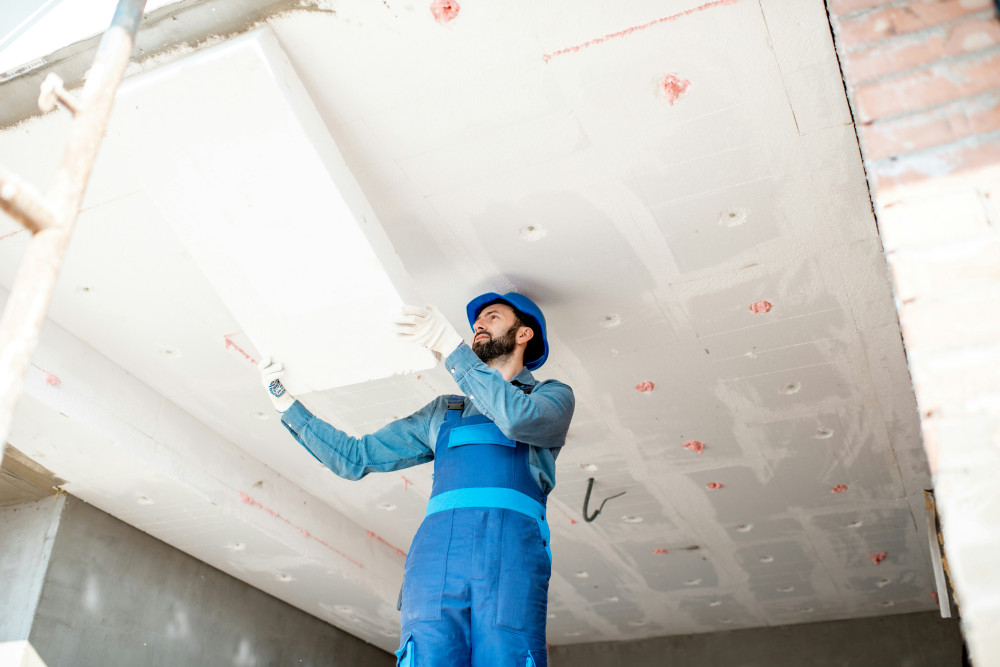
If your home has a full basement, this is usually the easiest place to install underfloor insulation. The insulation is fitted directly beneath the floor structure—either between timber joists or under a concrete slab.
Step by Step
- Inspect the structure – determine whether the floor above is timber or concrete.
- Choose insulation material – glasswool, polyester, or rigid foam boards are common options.
- Install the insulation – fit batts snugly between joists or fix boards to the underside of the slab.
- Add a vapour barrier if needed – in damp basements, a vapour barrier can prevent moisture from reaching the insulation.
- Finish neatly – cover exposed insulation with lining boards if you want a tidy appearance.
Advantages
- Easy access to the underside of the floor.
- No need to lift floorboards or disturb living spaces.
- Can be done at any time of year.
Disadvantages
- The basement must be dry and well ventilated.
- Ceiling height may be slightly reduced.
Læs også:


Insulating from a Crawl Space
Many New Zealand homes, especially those built on sloping sites or with timber piles, have a crawl space rather than a full basement. Access can be tight, but the benefits of insulation are significant. The subfloor area is often exposed to cold southerly winds and damp ground, which can make floors icy in winter.
The Classic Underfloor Method
- Check for moisture and pests before starting. Fix drainage or ventilation issues first.
- Install insulation between joists using support wires, strapping, or clips to hold it in place.
- Maintain ventilation – don’t block air vents; good airflow prevents dampness and mould.
- Seal gaps around plumbing or wiring to reduce draughts.
Alternative: Insulate from Above
If the crawl space is too low to work in safely, you can insulate from above when replacing flooring. This allows you to inspect the joists and install insulation directly before relaying the floorboards.
Choosing the Right Materials
Several insulation types suit New Zealand floors:
- Glasswool or polyester batts – flexible, non-combustible, and widely available.
- Rigid foam boards (PIR or EPS) – high performance with minimal thickness, ideal where space is limited.
- Natural fibre options – such as wool or wood fibre, offering good moisture regulation and sustainability.
Look for products that meet the New Zealand Building Code (NZS 4246) and have the appropriate R‑value for your climate zone.
Moisture and Ventilation: Key Considerations
Moisture is the biggest risk in subfloor areas. Before insulating, ensure the ground is dry and that vents are clear. In damp locations, consider laying a polythene ground moisture barrier over the soil to reduce humidity. This simple step can make a big difference to both insulation performance and indoor air quality.
If you notice signs of mould, rot, or condensation, get professional advice before proceeding. Addressing moisture first will protect your insulation and your home’s structure.
When to Call a Professional
While confident DIYers can install underfloor insulation, working in confined spaces can be challenging. A qualified installer can:
- Assess moisture and ventilation conditions.
- Ensure insulation is fitted securely and meets code requirements.
- Advise on materials and potential energy rebates through programmes such as Warmer Kiwi Homes.
Professional installation also ensures safety when dealing with electrical wiring or tight crawl spaces.
A Smart Investment in Comfort and Efficiency
Insulating the floor from below is one of the most effective ways to make your home warmer, drier, and more energy efficient. It requires some planning, but the results are immediate: warmer feet, lower heating costs, and a healthier indoor environment.
Whether you tackle it yourself or hire a professional, underfloor insulation is an investment that pays off—keeping your New Zealand home comfortable through every season.
Læs også: