Monitor Your Indoor Climate: Adjust Your Home’s Insulation as Needed Over Time


Monitor Your Indoor Climate: Adjust Your Home’s Insulation as Needed Over Time
A healthy indoor climate is about more than just fresh air and the right temperature – it’s also about how well your home is insulated. Many homeowners think of insulation as a one-time job, but in reality, your home’s needs change over time. New materials, shifting weather patterns, and changes in how you use your home can all affect how well your insulation performs. By monitoring your indoor climate and adjusting insulation when needed, you can save energy, improve comfort, and extend the life of your home.
Why Your Indoor Climate Changes
Your indoor environment is influenced by temperature, humidity, ventilation, and air quality. Over time, small changes in your home’s structure – such as worn seals, ageing windows, or altered room use – can upset the balance. In New Zealand, where the climate ranges from humid subtropical in the north to cool temperate in the south, these factors can vary widely. Increasingly unpredictable weather, with hotter summers and more intense rainfall, also places new demands on insulation.
Start by observing how your home feels throughout the year. Are some rooms too hot in summer or too cold in winter? Do you notice condensation on windows, draughts, or damp corners? These are signs that your insulation or ventilation may need attention.
Regularly Assessing Your Insulation
Instead of waiting for problems to become obvious, it’s wise to carry out an annual check of your home’s insulation. It doesn’t have to be complicated – a simple checklist can make a big difference:
- Roof and ceiling: Look for damp spots or discolouration in the insulation, which may indicate leaks or moisture ingress.
- Walls: If walls feel cold in winter or hot in summer, the insulation may have settled or become less effective.
- Windows and doors: Check seals and frames for gaps. Even small cracks can lead to significant heat loss.
- Floors and subfloor areas: Cold floors can signal missing or deteriorated underfloor insulation, especially in older timber homes.
By keeping notes from year to year, you can track how your home responds to seasonal changes and identify when it’s time to act.
New Materials and Smart Technologies
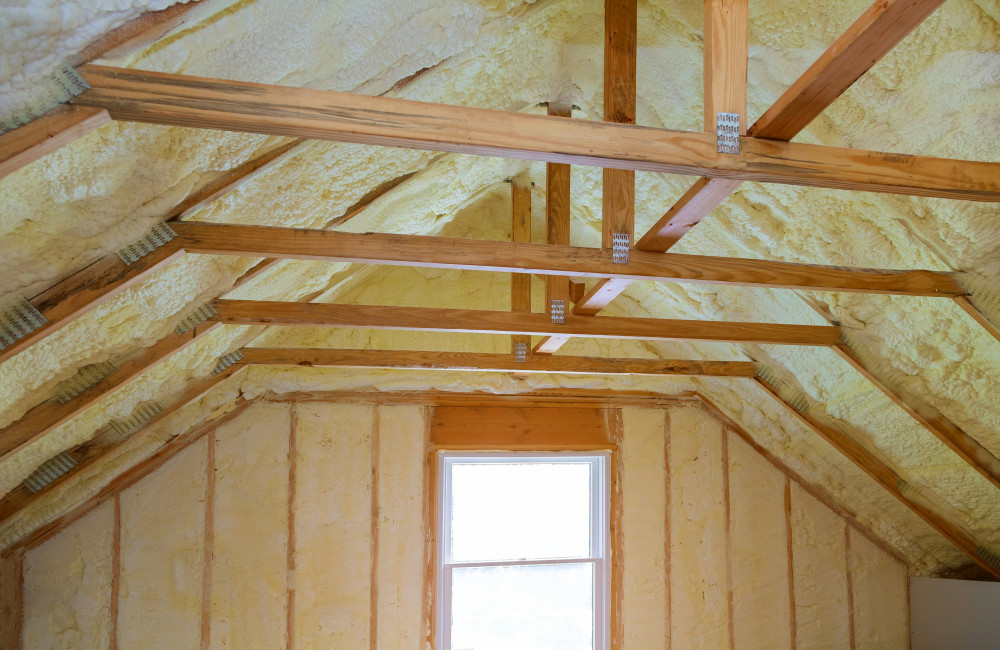
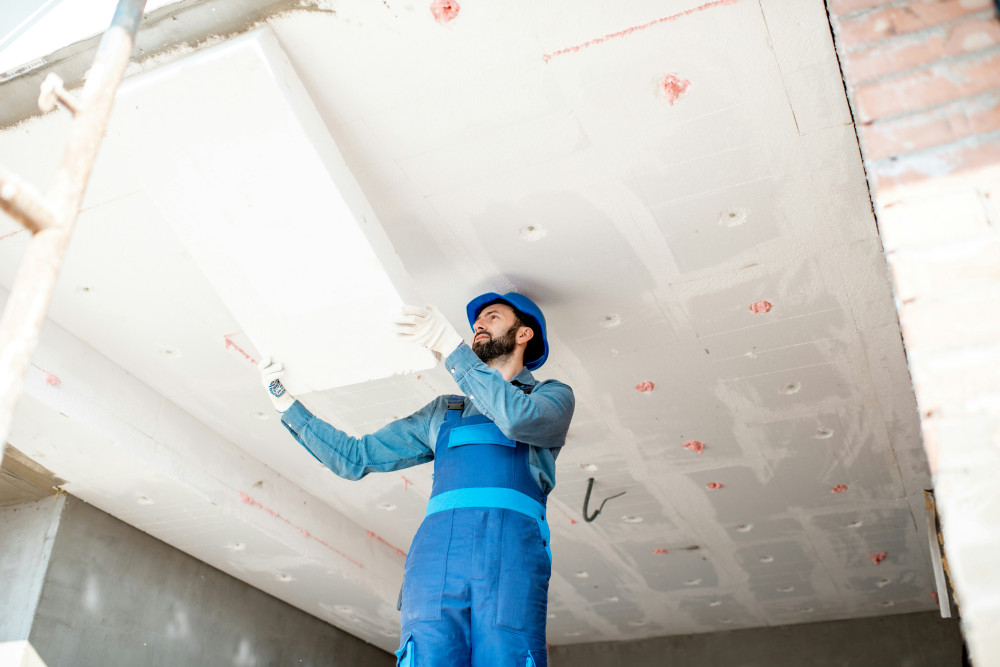
Insulation materials have advanced significantly in recent years. Beyond traditional glass wool, there are now eco-friendly and high-performance options such as wool, recycled cellulose, hemp, and rigid foam boards. Some materials manage moisture better, while others offer higher thermal resistance per centimetre.
Smart home technology can also help you monitor your indoor climate. Compact sensors can measure temperature, humidity, and CO₂ levels in real time. By combining this data with your energy use, you can pinpoint where heat is escaping and where improvements will have the greatest impact.
Adjusting to Lifestyle and Needs
Insulation isn’t just about the building – it’s also about how you live in it. If your household has changed – for example, if children have moved out or you’re working from home more often – your heating and insulation needs may shift. Rooms that are used less frequently might not need the same level of heating, while home offices or living areas may benefit from improved comfort.
Flexible solutions can help. External shading, for instance, can reduce overheating in summer, while well-insulated walls and ceilings retain warmth in winter. In New Zealand’s variable climate, balancing insulation with ventilation is key to preventing dampness and mould.
Læs også:



When It’s Time to Upgrade
While small adjustments can go a long way, there comes a time when a full upgrade is worthwhile. If your insulation is more than 25–30 years old, or if your energy bills are noticeably higher than similar homes, consider a professional energy assessment.
An energy consultant can use thermal imaging and diagnostic tools to show exactly where heat is escaping. This helps you prioritise improvements – perhaps topping up ceiling insulation is enough, or maybe your entire building envelope needs attention.
A Healthy, Balanced Home
Monitoring your indoor climate is ultimately about creating a home that feels comfortable year-round without wasting energy. By staying alert to small changes, using modern monitoring tools, and adjusting insulation as needed, you can keep your home healthy, efficient, and ready for the future.
It’s not a one-off task but an ongoing process – much like maintaining your roof or repainting your exterior. The reward is a home that’s more comfortable, more sustainable, and better suited to New Zealand’s ever-changing climate.
Læs også: