Pests in the attic? How to protect your attic insulation from unwanted guests


Pests in the attic? How to protect your attic insulation from unwanted guests
Your attic might seem like a quiet, forgotten space, but for many pests, it’s the perfect place to settle in. Rats, mice, possums, birds, and insects often find their way into roof spaces across New Zealand, where they can nest, chew, and cause costly damage to insulation, wiring, and timber. Fortunately, with a few smart steps, you can protect your attic insulation and keep unwanted guests out for good.
Why pests love the attic
Attics offer warmth, shelter, and safety from predators – everything a pest could want. During cooler months, rodents and possums look for dry, insulated spaces to build nests. Birds may enter through roof gaps to roost, while insects such as borer beetles or cockroaches thrive in dark, undisturbed corners.
Once inside, these animals can compress or tear insulation, leave droppings that create odours, and even chew through electrical cables, posing a fire risk. The longer they stay, the more extensive the damage becomes.
Signs you might have pests in your attic
Because attics are rarely visited, pest problems can go unnoticed for months. Keep an eye (and ear) out for these warning signs:
- Scratching or scurrying sounds at night – often a sign of rodents or possums.
- Droppings or urine stains on insulation or ceiling boards.
- Damaged insulation – flattened, shredded, or displaced material.
- Unpleasant smells – a musty or ammonia-like odour can indicate nesting or decay.
- Gnaw marks or chewed cables – especially around wiring or timber beams.
- Bird feathers or nesting material near vents or eaves.
Early detection makes it much easier to prevent serious damage.
Læs også:


Seal up entry points
The best defence against pests is to stop them getting in. Inspect your roof space and exterior carefully for gaps, cracks, or loose fittings.
- Seal holes and gaps around pipes, vents, and wiring with steel mesh or metal flashing – materials rodents can’t chew through.
- Check eaves, soffits, and roof edges for loose tiles or lifted iron sheets.
- Install mesh screens over vents and roof openings to keep birds and insects out.
- Trim back trees and vines that touch the roof – they act as bridges for possums and rodents.
A well-sealed roof not only keeps pests out but also improves your home’s energy efficiency.
Choose pest-resistant insulation
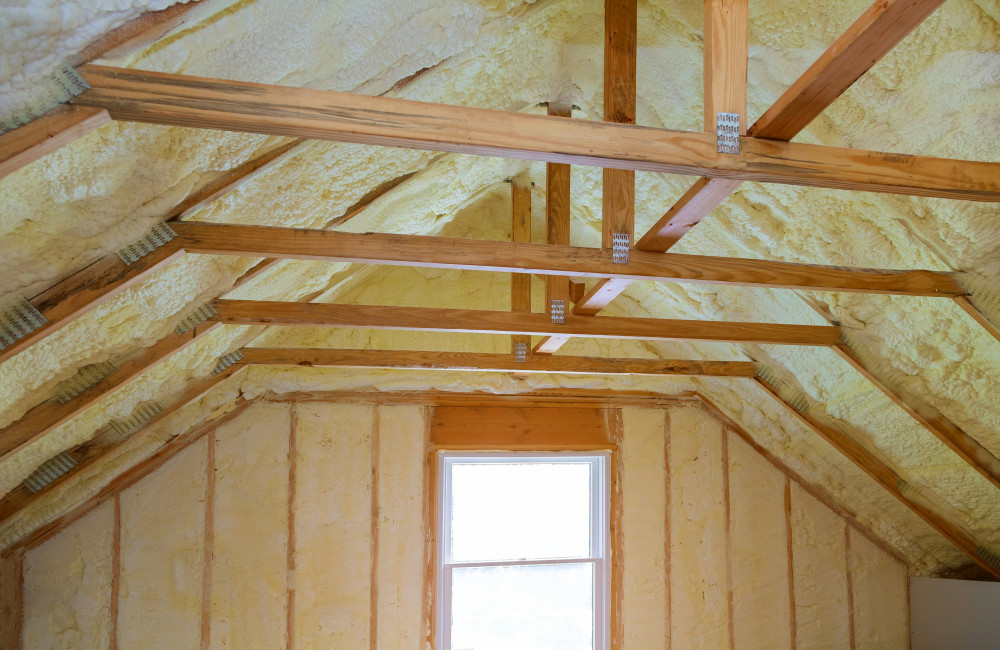
Not all insulation materials are equally attractive to pests. Fibreglass and mineral wool are less likely to be used for nesting, while some natural products, such as treated wool or cellulose insulation, can be infused with pest-repelling minerals. When upgrading or replacing insulation, ask your installer about materials that resist nesting and moisture.
Keep the attic clean and dry
A cluttered attic full of cardboard boxes, fabric, and old furniture is a paradise for pests. Declutter regularly and store items in sealed plastic containers instead of cardboard. Ensure good ventilation to prevent dampness – moisture attracts insects and can damage insulation.
Avoid storing food, birdseed, or pet supplies near the attic hatch, as even small amounts can lure rodents inside.
What to do if pests have already moved in
If you suspect pests are already in your attic, act quickly. Identify the culprit before taking action:
- Rats and mice can be trapped or baited, but always follow safety guidelines and local regulations.
- Possums are protected native wildlife in some areas, so removal must be done humanely and in accordance with local laws – contact a licensed pest control professional.
- Birds may require exclusion methods such as netting or one-way exit flaps.
- Insects can often be managed through cleaning, drying, and targeted treatments.
After removal, replace any damaged insulation and thoroughly clean the area to remove odours and bacteria that could attract new pests.
When to call a professional
If you’re unsure about the extent of the problem or how to deal with it safely, it’s best to call a licensed pest control expert. They can identify the species, locate entry points, and recommend the most effective and humane solution. Professional help can save you time, money, and frustration in the long run.
A healthy attic means a healthy home
A well-insulated, pest-free attic helps keep your home warm, dry, and energy-efficient. Regular inspections, good maintenance, and preventive measures will ensure your attic remains a place for comfort – not for unwanted guests.
Læs også: