Insulation in Flats and Houses – What’s the Difference?


Insulation in Flats and Houses – What’s the Difference?
When it comes to comfort, energy efficiency, and keeping your power bills under control, insulation is one of the most important factors in any home. But insulating a flat isn’t quite the same as insulating a standalone house. The type of building, its construction, and who owns what all influence what can be done – and how much control you have over the process. Here’s an overview of the key differences and what to consider if you’re looking to improve insulation in your New Zealand home.
Different Buildings, Different Options
If you own a house, you have full control over the building envelope – the roof, exterior walls, floors, and windows. That means you can choose to add ceiling insulation, upgrade your windows, or insulate under the floor whenever you like, as long as you meet building code requirements.
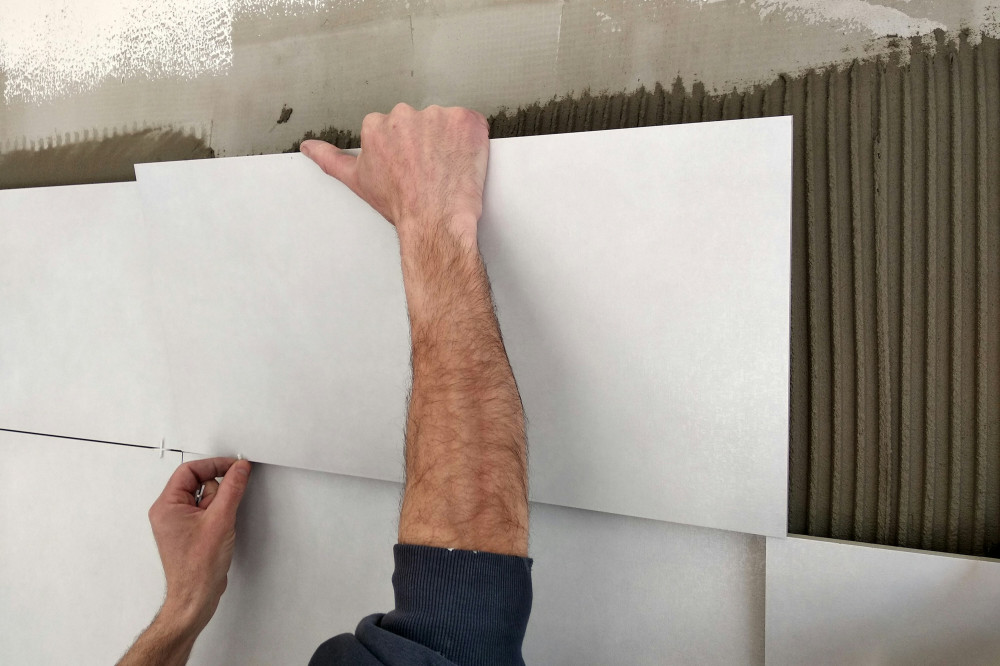
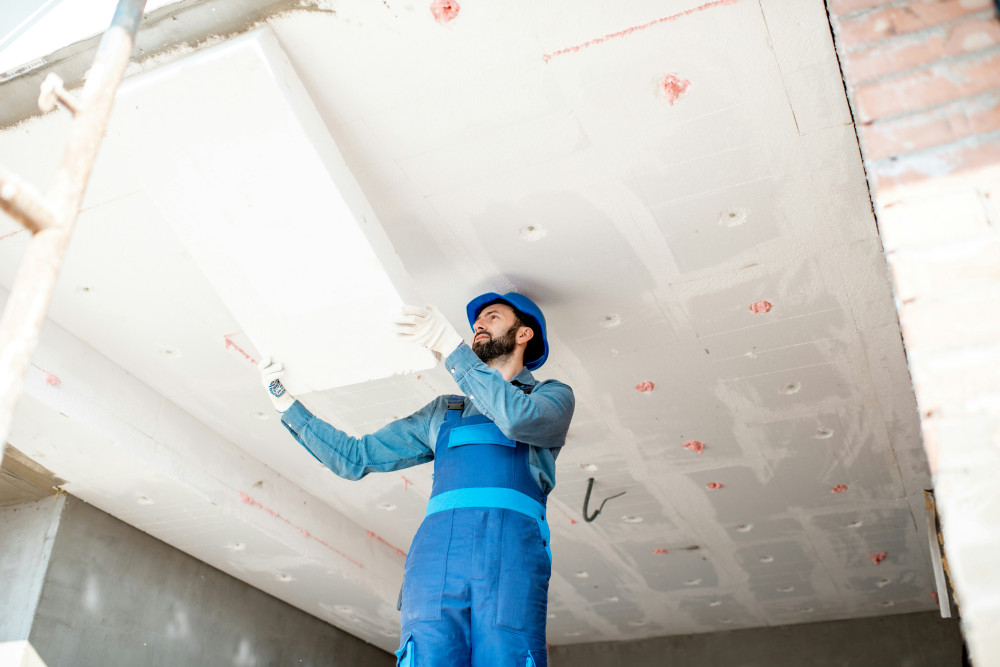
In a flat or apartment, things are more complex. You share walls, floors, and ceilings with neighbours, and the exterior of the building is usually managed by a body corporate or landlord. This means you can typically only insulate within your own unit – for example, adding internal wall insulation or improving soundproofing between rooms. Any work that affects the building’s exterior or shared spaces usually requires approval and coordination with others.
That doesn’t mean you’re powerless as a flat dweller, but it does mean that planning and cooperation are essential if the whole building is to become more energy efficient.
Types of Insulation and Technical Differences
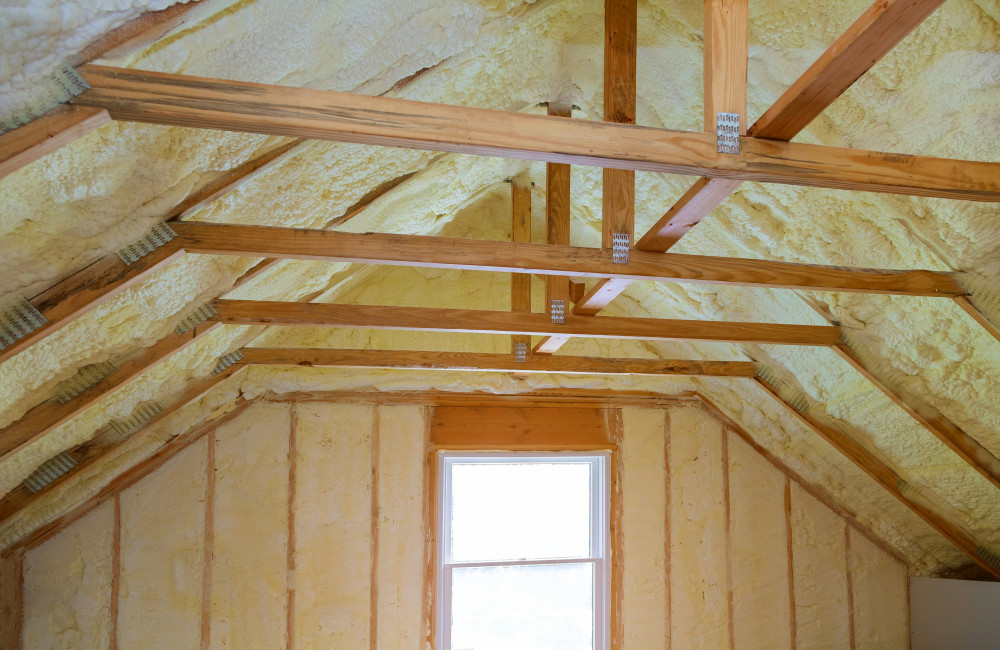
In New Zealand houses, ceiling and underfloor insulation are the most common upgrades. Because heat rises, a poorly insulated roof can cause major heat loss. Ceiling insulation is often the easiest and most cost-effective improvement. Underfloor insulation helps keep homes warmer in winter and cooler in summer, especially in older timber houses with suspended floors. Wall insulation is also valuable but can be more complex to retrofit.
In flats, the focus is often on comfort and noise reduction. Common improvements include:
- Internal wall insulation to reduce heat loss through cold exterior walls.
- Acoustic underlay or carpet to reduce noise between floors.
- Sealing gaps around windows and doors to prevent draughts and heat loss.
Internal insulation must be done carefully to avoid moisture problems. Using the right vapour barriers and materials suited to the building’s structure is essential to prevent condensation and mould.
Ownership and Cost
One of the biggest differences between houses and flats is who pays for the work. In a house, you decide what to do and cover the cost yourself. You can also take advantage of government programmes such as the Warmer Kiwi Homes grants, which help with the cost of ceiling and underfloor insulation for eligible homeowners.
In a flat or apartment, larger projects like exterior wall insulation or window upgrades usually need to be approved by the body corporate or landlord. The cost is then shared among owners or included in rent. While this can take time, it also means the expense and benefits are distributed fairly, and bulk work can often be done more efficiently.
Læs også:



Comfort and Energy Savings
Good insulation isn’t just about saving money on heating. It also makes your home more comfortable – no cold spots, fewer draughts, and a more stable indoor temperature. In houses, the improvement is often dramatic because you can insulate the entire building envelope. In flats, the effect may be more localised, but even small steps like sealing windows, insulating hot water pipes, or adding thermal curtains can make a noticeable difference.
Better insulation also reduces your carbon footprint and supports New Zealand’s goals for more sustainable housing. With rising energy costs and a growing focus on healthy homes, insulation is an investment that pays off in multiple ways.
What Should You Do?
If you live in a house, start with an energy assessment or check your insulation levels in the ceiling and under the floor. These are usually the easiest and most effective areas to improve.
If you live in a flat, talk to your landlord or body corporate about possible upgrades to the building. At the same time, you can take smaller steps inside your own unit – sealing gaps, using thermal curtains, and ensuring good ventilation to prevent dampness.
Whether you live in a flat or a house, insulation is one of the smartest ways to improve comfort, reduce energy use, and create a healthier home. The main difference lies in how much control you have – and how you work with others to make your living space warmer, drier, and more efficient.
Læs også: